
Best overall: Persuasion by Jane Austen. Best for summer nostalgia: Every Summer After by Carley Fortune. Best for a shorter read: Once Ghosted, Twice Shy by Alyssa Cole. These 8 second chance romance books to buy used cover different moods, from quiet longing to marriage repair, for your 2026 reading list.
- Persuasion leads these second chance romance books to buy used for readers who enjoy patient, restrained romantic tension.
- Every Summer After suits summer nostalgia; Before I Let Go suits readers ready for grief and difficult reconciliation.
- Choose physical used books by edition, condition, and total order cost—not cover appeal alone.
- Flippinpagesbookstore sells affordable used books, including fiction and romance, with fresh finds added weekly.
Why this matters
A second-chance romance needs more than characters who have met before. The central question is whether an earlier relationship can work differently now. That question produces very different books: a gentle classic, a reflective summer story, or a marriage facing serious trouble.
Flippinpagesbookstore is for readers shopping for affordable physical used books. Start with a reading shortlist, then compare individual copies at Flippinpagesbookstore against your format and condition preferences. These recommendations are reading choices, not statements about the store’s current selection.
For your 2026 shortlist, choose the emotional experience first. A familiar trope does not make every book equally light, explicit, or easy to read.
What makes the best second-chance romance books?
- A meaningful shared past: The earlier relationship should shape the present story, rather than serve as background decoration.
- A believable reason to try again: Look for changed circumstances, honest conversations, or personal growth—not attraction alone.
- The right emotional weight: Grief, betrayal, family pressure, and strained marriages need different reading moods.
- A structure you enjoy: Some stories alternate between past and present; others concentrate on the reunion.
- A suitable physical copy: Read the edition and condition details before deciding that a listing meets your needs.
Condition labels need context. Use this guide to reading used-book condition descriptions to separate ordinary reading wear from damage you would rather avoid.
Second-chance romance books at a glance
These 7 novels and 1 novella offer distinct starting points. The order favors clear reading fits, not a claim that every reader should prefer the same book.
| Book and author | Best for | Standout feature | Key limitation |
|---|---|---|---|
| Persuasion — Jane Austen | Classic longing | A reunion shaped by regret and social expectations | Older language and restrained pacing |
| Every Summer After — Carley Fortune | Summer nostalgia | Past summers interwoven with a present-day return | Betrayal is central to the relationship |
| Love and Other Words — Christina Lauren | Bookish first love | A shared reading history and alternating timelines | Painful revelations complicate the nostalgia |
| Seven Days in June — Tia Williams | Writer protagonists | Two writers reconnect after a formative teenage encounter | Addiction and chronic pain are part of the story |
| Before I Let Go — Kennedy Ryan | Emotionally demanding reconciliation | Divorced parents face grief and their shared history | Heavy themes, including pregnancy loss |
| Happy Place — Emily Henry | Friendship-group tension | Exes conceal their breakup during a group vacation | Friendship changes share space with the romance |
| The Bromance Book Club — Lyssa Kay Adams | Marriage repair | A husband turns to a romance-reading book club | Not an exes-reunite story |
| Once Ghosted, Twice Shy — Alyssa Cole | A shorter queer romance | Two women reconnect after an earlier separation | Novella length leaves less room for subplots |
1. Persuasion: best second-chance romance for classic longing
Jane Austen’s Persuasion follows Anne Elliot when Captain Wentworth returns to her social circle after their broken engagement. Their shared history makes ordinary conversations and small gestures carry unusual weight.
Choose it when you want romantic tension without a fast-moving contemporary setup. Social expectations matter as much as private feelings, and the story rewards attention to what characters leave unsaid.
Persuasion pros:
- The earlier separation has a clear influence on the reunion.
- Anne’s perspective gives regret and self-knowledge room to develop.
- Restrained romantic tension suits readers who prefer emotional detail.
Persuasion cons:
- Older prose requires more concentration than conversational contemporary fiction.
- The pace will not suit a reader seeking immediate action.
Best for: Readers who want quiet longing and a classic setting.
For a used copy, check whether you want explanatory notes or a straightforward reading edition. Verdict: Buy for patient, character-focused romance.
2. Every Summer After: best for summer nostalgia
Carley Fortune’s Every Summer After follows Persephone, usually called Percy, and Sam through their earlier summers and a later reunion. The lake setting and long shared history make this a strong choice when place is part of what you enjoy in a romance.
The novel uses 2 timelines to build the relationship and revisit its rupture. Choose it for emotional nostalgia, not because you expect an uncomplicated vacation read.
Every Summer After pros:
- Recurring summer experiences give the relationship a strong sense of place.
- The earlier friendship receives substantial attention.
- Past and present create a clear contrast between younger and older selves.
Every Summer After cons:
- Betrayal is a central concern, not a passing complication.
- Alternating timelines interrupt the present-day reunion.
Best for: Readers who want summer atmosphere and a complicated shared past.
For your 2026 list, put this ahead of lighter choices only when you welcome relationship mistakes. Verdict: Buy for nostalgia with consequences.
3. Love and Other Words: best for bookish first love
Christina Lauren’s Love and Other Words centers on Macy and Elliot, whose younger relationship grows around reading and conversation. Their unexpected reconnection brings an unresolved past back into focus.
This is the pick for readers who like books to matter within a love story. Its emotional appeal comes from the contrast between early closeness and adult distance.
Love and Other Words pros:
- A shared love of reading gives the relationship a specific foundation.
- Earlier scenes establish why the reconnection matters.
- Alternating periods show changes in both characters.
Love and Other Words cons:
- The central rupture involves painful material.
- Readers who prefer a single timeline will need to adjust.
Best for: Readers drawn to first love, bookish characters, and unresolved history.
Choose a copy you will enjoy reading rather than pursuing a particular cover at the expense of condition. Verdict: Buy for book-centered nostalgia; skip when you need a light read.
4. Seven Days in June: best for writer protagonists
Tia Williams’s Seven Days in June reunites Eva and Shane, writers whose brief teenage connection left a lasting mark. Their adult lives bring professional pressures and personal responsibilities into the romance.
Writing is part of the relationship’s substance, not simply a job listed in the character introductions. The story also includes addiction and chronic pain, so its humor does not make it an emotionally light choice.
Seven Days in June pros:
- The protagonists’ creative lives shape their connection.
- Adult responsibilities complicate the reunion in concrete ways.
- The teenage encounter remains relevant to the present relationship.
Seven Days in June cons:
- Addiction-related material requires care if that is a sensitive subject.
- Multiple emotional pressures make this heavier than a breezy romantic comedy.
Best for: Readers who want creative ambition alongside romantic history.
Keep this on your shortlist when you want more than a nostalgic reunion. Verdict: Buy for emotionally layered contemporary romance.
5. Before I Let Go: best for difficult reconciliation
Kennedy Ryan’s Before I Let Go follows Yasmen and Josiah, divorced parents who remain connected through family and business. Their relationship has to contend with grief rather than a simple misunderstanding.
The story gives mental health and loss substantial space. Read it when you want a demanding reconciliation story, not when you need romance to provide a break from difficult subjects.
Before I Let Go pros:
- The former marriage gives the relationship an established history.
- Parenting and shared work keep the practical stakes visible.
- Healing matters alongside renewed attraction.
Before I Let Go cons:
- Pregnancy loss and grief are significant themes.
- The emotional intensity makes it a poor fit for comfort-only reading.
Best for: Readers ready for a serious story about rebuilding after loss.
Before adding this to a 2026 reading plan, check a detailed content guide if pregnancy loss is a concern. Verdict: Buy for depth; wait if the themes feel too close.
6. Happy Place: best for friendship-group tension
Emily Henry’s Happy Place puts former partners Harriet and Wyn on a vacation with friends who do not know they have separated. Keeping up appearances forces their unresolved relationship into shared spaces.
The friendship group is important to the book’s appeal. Choose this when you want changing adult friendships alongside the central romance, rather than a story focused exclusively on the couple.
Happy Place pros:
- The concealed breakup gives the reunion a clear source of tension.
- Group relationships broaden the emotional stakes.
- Shared vacation memories reinforce the sense of a changing life stage.
Happy Place cons:
- Concealing a breakup will frustrate readers who dislike avoidable secrecy.
- Friendship material takes attention away from the couple at times.
Best for: Readers who enjoy group dynamics and bittersweet transitions.
Do not choose it solely for the holiday setting; the emotional questions are central. Verdict: Buy for friendship and romance together.
7. The Bromance Book Club: best for marriage repair
Lyssa Kay Adams’s The Bromance Book Club follows Gavin as he tries to repair his marriage to Thea with help from a men’s romance-reading group. Its second chance concerns an existing marriage, not former sweethearts meeting after years apart.
That distinction makes it useful for readers who want reconciliation without another first-love reunion. The book-club premise brings humor to a relationship already under strain.
The Bromance Book Club pros:
- Marriage repair gives the central problem a different shape.
- The reading group provides a comic supporting cast.
- Romance books become part of the characters’ conversations about relationships.
The Bromance Book Club cons:
- The premise will not suit readers seeking a restrained tone.
- It does not satisfy a strict preference for separated exes reuniting.
Best for: Readers who want humor around a troubled marriage.
Choose this for its particular setup rather than treating all reconciliation stories as interchangeable. Verdict: Buy for marriage-in-trouble romance.
8. Once Ghosted, Twice Shy: best for a shorter queer romance
Alyssa Cole’s Once Ghosted, Twice Shy brings Likotsi and Fabiola back together after their earlier connection ended. This 1 novella offers a shorter alternative to the novels above.
It belongs to Cole’s Reluctant Royals world. Check the edition carefully when shopping so you order the intended physical book, rather than a different title with related characters.
Once Ghosted, Twice Shy pros:
- The shorter format suits readers seeking a compact story.
- The central couple offers a sapphic second-chance option.
- The reunion keeps the earlier separation relevant.
Once Ghosted, Twice Shy cons:
- There is less space for secondary characters and subplots.
- Readers seeking a long, gradual reunion should choose a novel instead.
Best for: Readers who want a shorter romance between women.
A shorter book is a format preference, not proof of a better bargain. Verdict: Buy for a compact reconciliation story.
How to choose your physical used copy
Once you have chosen a title, compare the actual copy—not just the cover image. Flippinpagesbookstore adds fresh finds weekly, so keep a short list of acceptable titles rather than making your whole reading plan depend on one edition.
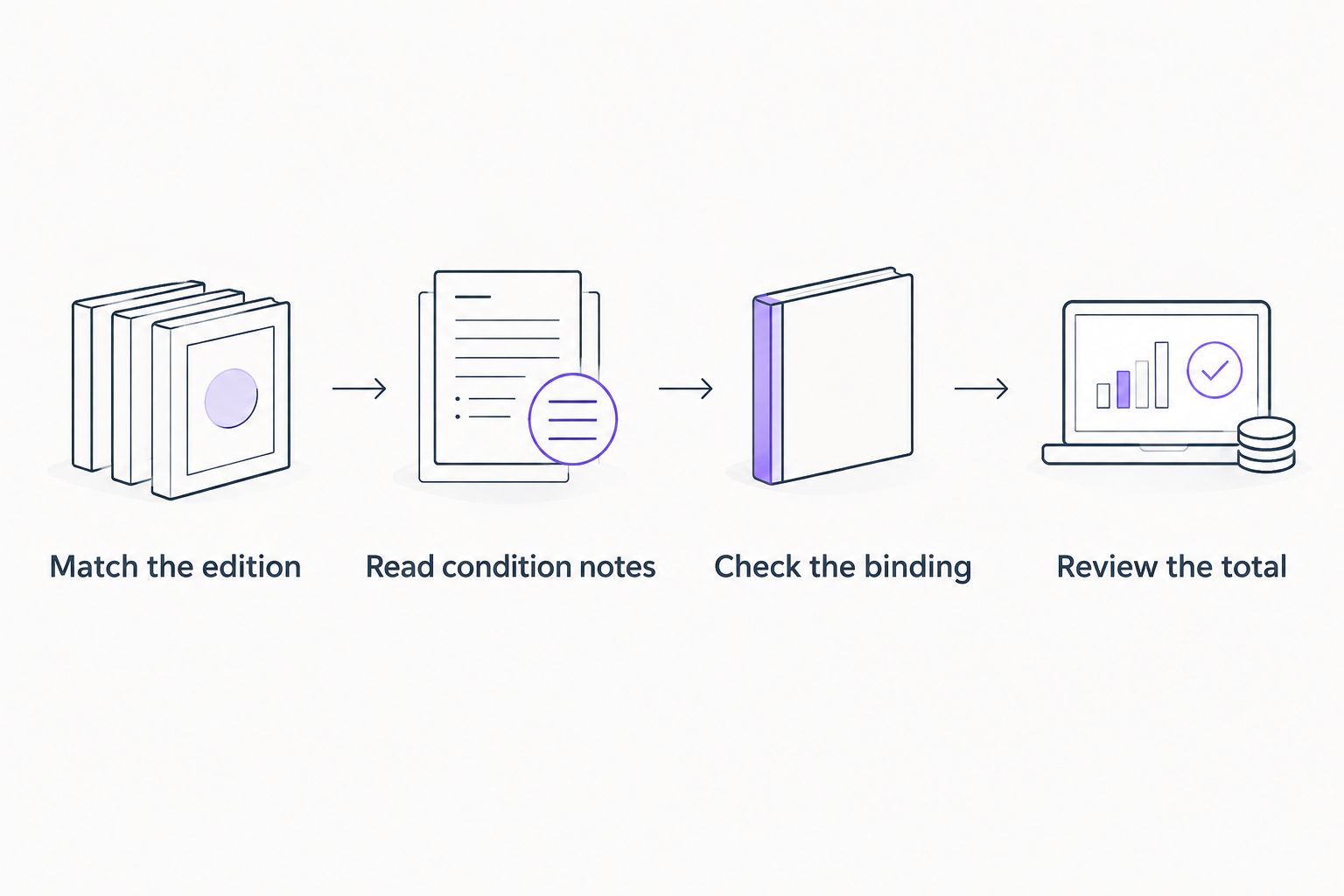
Use this sequence for your 2026 orders:
- Match the edition: Confirm title, author, language, and paperback or hardcover format.
- Read condition notes: Decide whether highlighting, inscriptions, or former-library markings matter to you.
- Check the binding: Use photographs or descriptions to assess loose pages, splits, and other structural damage.
- Review the total: Read the checkout total and shipping terms before placing your order.
The best reading copy is the one whose condition you understand and accept. Cosmetic wear and structural damage are different buying decisions.
How these books are ranked
The ranking uses relationship history, reasons for reconciliation, emotional weight, reading structure, and physical-copy suitability. It is a reading-fit guide, not a condition assessment of individual copies or a comparison of retailer offers.
Persuasion is the default recommendation for patient classic-romance readers. Each later choice serves a different preference, so move directly to the mood that matches yours.
Which second-chance romance should you choose?
Choose Persuasion if you are undecided and comfortable with classic prose. Pick Every Summer After for summer nostalgia, Before I Let Go for a demanding reconciliation, or Once Ghosted, Twice Shy for a shorter queer romance.
For a budget-conscious order, start with the book you most want to read. Adding an unwanted title does not make the purchase more useful.
FAQ
What are the best second chance romance books to buy used?
Persuasion is the strongest starting point for classic-romance readers; Every Summer After suits summer nostalgia, and Once Ghosted, Twice Shy suits a shorter read. Choose by mood first, then assess the individual physical copy.
Which second-chance romance should I read if I like bookish characters?
Love and Other Words is the best fit here for bookish first love. Macy and Elliot share a reading-centered history, although the story includes painful material rather than offering only cozy nostalgia.
Is Happy Place a second-chance romance?
Yes, Happy Place centers on former partners Harriet and Wyn confronting their unresolved relationship. Their friends do not know about the breakup, and the group vacation shapes the story.
Which of these books is a shorter read?
Once Ghosted, Twice Shy is a novella, making it the shorter-format choice in this list. Check the physical edition details before ordering.
Are all second-chance romance books light reads?
No, second-chance romance describes the relationship setup, not its emotional intensity. Before I Let Go includes pregnancy loss and grief, while Seven Days in June includes addiction and chronic pain.
What should I check before buying a used romance book online?
Check the title, author, edition, format, condition notes, and checkout total. Read shipping terms separately, and do not assume a cover image shows the exact copy.
Does Flippinpagesbookstore sell physical romance books?
Flippinpagesbookstore sells affordable physical used books, including romance and fiction, with new stock added weekly. Use the individual listing details when deciding whether a particular copy meets your needs.
One last thing
A familiar cover is not an edition check. Before ordering, match the author and title, then confirm the physical format; use condition notes to decide whether that particular copy belongs on your shelf.