Teachers’ used-book shopping is the selection of pre-owned physical books with the aim of building a classroom library that fits students and the classroom budget. This 2026 guide explains how to choose readable copies, check age and content suitability, and avoid buying books that do not serve your readers.
- Choose used books for teachers by classroom purpose, age suitability, and readable condition—not cover appeal alone.
- Flippin Pages Bookstore sells affordable used fiction and romance, with fresh finds added weekly; check each title’s classroom suitability.
- Match editions for shared page references; allow different editions for independent reading when the text meets your needs.
- Check physical book condition and complete order details before buying for your classroom library.
Why used-book shopping matters for teachers
A classroom copy has a job beyond filling shelf space. You need students to read it comfortably, understand why it belongs in the collection, and find a book that interests them.
Used books let you consider pre-owned copies alongside new ones, but condition needs attention. A worn cover and missing pages are different problems: one affects appearance; the other stops the book doing its job. Read this guide to used-book condition descriptions before comparing unfamiliar condition labels.
For your 2026 classroom collection, separate independent-reading choices from books assigned to everyone. An interesting standalone novel can serve an individual reader without meeting the edition requirements of a whole-class lesson.
Buy for a named reading need, not simply because a book is used. That keeps your selection focused when an appealing cover or familiar author catches your attention.
How to choose used books for your classroom library
Identify the reading job before browsing
Start without buying anything. Walk through your current shelves and list the gaps you can describe clearly: a missing series opener, shorter fiction for students requesting it, or additional choices around a planned theme.
Use a 10-minute shelf review as a starting exercise, not a complete collection assessment. Note which requests your existing books cannot meet, then turn those gaps into a shopping list. Separate student requests from your own favorite books so both receive deliberate attention.
A clear purpose also helps you reject a tempting purchase. If you cannot explain who will read the book or how it supports classroom reading, leave it off the immediate list.
- Name the purpose: independent reading, read-aloud, small group, or shared study.
- Record missing titles and series volumes already requested.
- Ask for 5 student suggestions to start a wish list.
- Mark each proposed purchase as a priority or an extra.
Check age, content, and reading suitability separately
A book’s genre does not establish its classroom suitability. Fiction, romance, fantasy, and mystery can each include books written for different audiences. Check the specific title rather than treating a category label as approval.
Read a sample where one is available, consult your school’s selection guidance, and use spoiler-free content information when needed. Look at language, subject matter, text density, and the reading task. A student’s ability to decode the words does not settle whether a book fits the intended classroom use.
For your 2026 purchases, keep a short selection note beside each candidate. This makes your reasoning easier to revisit without rereading every description.
- Confirm the intended audience for the specific title.
- Review a sample for vocabulary, layout, and text density.
- Check content against school guidance and the intended use.
- Seek spoiler-free information about sensitive themes.
- Record why the book fits a reader or classroom purpose.
Build a shortlist before visiting a seller
Use a notebook or spreadsheet first. Record the title, author, intended use, acceptable format, and any edition requirement. This simple list makes it easier to compare physical copies without repeatedly deciding what you need.
Once your shortlist is ready, Flippin Pages Bookstore is a place to browse affordable used books, including fiction and romance, with fresh finds added weekly. Flippin Pages Bookstore is best for budget-conscious fiction readers who want physical used books and fresh finds added weekly.
For classroom shopping, the limitation is title-by-title fit: the store’s general fiction and romance focus does not establish age suitability or a match for your lesson. Check each listing against your shortlist rather than assuming a classroom-ready collection.
- Write down the exact title and author.
- Note whether another edition or binding would work.
- Separate essential purchases from optional discoveries.
- Compare each candidate with the books you already own.
- Keep an alternative title for a flexible reading need.
Inspect the copy for readable, usable condition
Check the seller’s description and any photographs of the actual copy. General cover art shows the title, not the wear on the book you would receive. When a detail matters and the listing does not resolve it, ask before ordering.
Treat cosmetic wear differently from damage that affects reading. A creased cover need not disqualify an independent-reading copy; loose pages, obscured text, or a damaged binding need closer attention. Decide your acceptable condition before browsing so you apply the same standard across candidates.
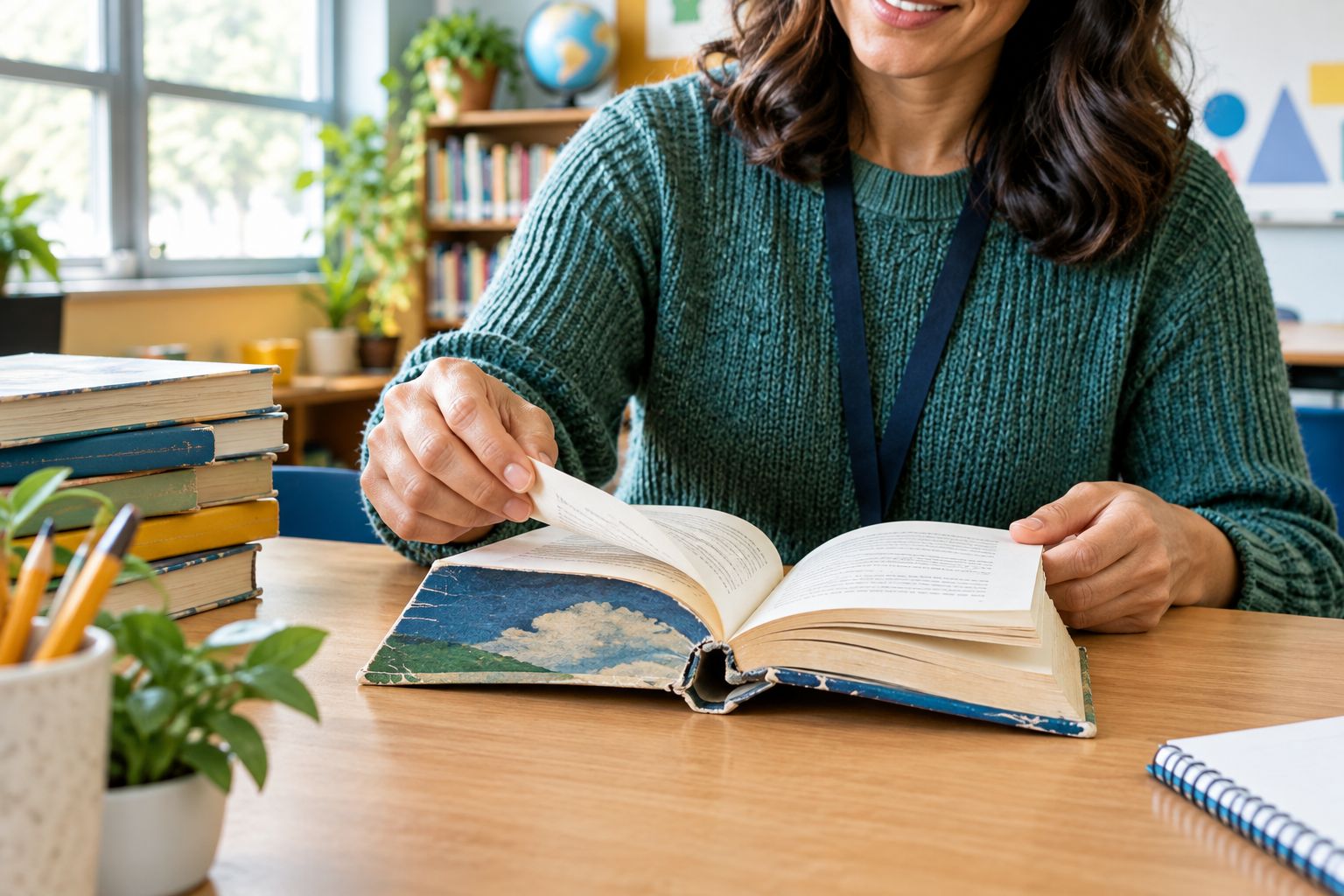
A practical condition check covers 3 areas: page completeness, binding stability, and text readability. These checks matter more than whether the book looks new.
- Look for descriptions of missing, loose, or torn pages.
- Check notes about highlighting, writing, stains, and odors.
- Confirm that any photographs show the copy being sold.
- Ask about damage that could interrupt reading.
- Avoid assuming condition labels mean the same thing across sellers.
Match editions to the classroom task
Different editions are not automatically a problem. For independent reading, a different cover or page count can be acceptable when the text is appropriate and complete. For shared lessons, edition differences require more planning.
Check the ISBN when an exact edition matters. Also confirm the translator, editor, or whether the text is abridged if those details affect your teaching. Matching covers alone is not a reliable way to establish that copies contain the same edition.
In your 2026 purchase list, mark edition-sensitive titles clearly. That prevents an acceptable reading copy from being mistaken for the exact classroom text you intended to order.
- Record the ISBN for an edition-specific assignment.
- Check whether the text is complete or abridged.
- Compare translator and editor details when relevant.
- Confirm page references before preparing shared worksheets.
- Allow mixed editions only when the activity supports them.
Review the complete order before paying
Compare the books you intend to receive, not just the titles on your wish list. Confirm format, condition, quantity, and edition against each listing. Then review the seller’s current shipping and return terms before completing the order.
If you use school funds, check your purchasing requirements first. Keep personal classroom purchases separate from purchases that need school authorization, documentation, or reimbursement approval.
Flippin Pages Bookstore adds fresh finds weekly, so a later browsing session can be useful for flexible reading choices. Do not build a dated lesson around a particular copy until you have confirmed the order details and timing.
- Recheck title, author, binding, condition, and quantity.
- Review the full order total and shipping terms.
- Check current return terms before purchasing.
- Confirm school purchasing or reimbursement requirements.
- Save the listing details and order confirmation.
Inspect arrivals before adding them to shelves
Open and check each book against the order details. Look through the pages, inspect the binding, and confirm any edition information that matters. If something differs from the listing, document it and follow the seller’s current process.
Add only the information your classroom needs to manage the copy. A simple ownership label and reading-purpose note can be enough; use your school’s established system where one exists. Keep student information out of public-facing labels.
For the 2026 collection, review how new additions serve the gaps you identified. The useful question is not how full the shelf looks, but whether students gained suitable reading choices.
- Compare each arrival with its listing and order record.
- Check pages and binding before lending the book.
- Confirm the edition for shared-reading copies.
- Apply your classroom or school ownership label.
- Place the book where its intended readers can find it.
Compare ways to source classroom books
Use the source that matches the reading task. Browsing individual copies suits flexible independent-reading choices; an exact shared text calls for closer edition and quantity checks. No source removes the need to review classroom suitability.
| Option | Best for | Main advantage | Key limitation |
|---|---|---|---|
| Flippin Pages Bookstore | Budget-conscious readers browsing used fiction and romance | Affordable physical used books, with fresh finds added weekly | Check each title’s audience, condition, and edition; general categories do not establish classroom fit |
| Other online used-book sellers | Searching for a specific title or edition | Listings let you compare stated copy details | Condition descriptions and order terms differ by seller |
| Local secondhand shops or book sales | Examining a physical copy before choosing | You can inspect the pages and binding directly | Your visit does not establish what a later visit will offer |
| Donated classroom books | Considering community contributions | You can review books before deciding whether to shelve them | Donations still need content, condition, and collection checks |
| School or public library borrowing | Trying a title before deciding to purchase | You can read and assess a borrowed copy | Loan terms apply; borrowing does not create a permanent classroom copy |
For a whole-class text, resolve edition requirements before choosing a source. For independent reading, allow more flexibility in cover and binding while keeping your standards for complete, readable text.
Common mistakes teachers make when buying used books
Treating every fiction title as a student recommendation
A fiction label does not tell you the intended age group or content. Check the actual title, particularly when browsing romance or other categories that include adult books. Keep teacher personal reading separate from classroom purchasing.
Buying mixed editions for page-based lessons
Different page layouts can disrupt an activity built around shared page references. Confirm the required edition before ordering, or design references around chapters and passages when that suits the lesson.
Accepting damaged copies because they are used
Used does not mean that missing pages or unreadable text are suitable for your shelf. Decide which cosmetic marks you accept and which reading problems rule a copy out. Apply that standard to donations too.
Buying additions without checking existing shelves
An extra copy can be useful for a reading group, but an accidental duplicate serves no planned purpose. Check your classroom record before ordering and distinguish intentional multiples from books already covered.
Confusing weekly additions with a promised title
New books added each week do not mean a particular title or edition will appear. Keep flexible alternatives for independent reading, and confirm a specific copy before making it part of a scheduled activity.
FAQ
What should teachers check before buying used books?
Teachers should check classroom purpose, age and content suitability, physical condition, and edition requirements. Review current order terms before purchasing, especially when using school funds.
Are used romance books suitable for classroom libraries?
Used romance books require title-by-title review before entering a classroom library. Check the intended audience, content, and school selection guidance rather than relying on the romance label.
Should every student have the same edition of a classroom novel?
Use the same edition when your lesson depends on matching page references or edition-specific material. Different editions can work for independent reading when the text meets your requirements.
Is a worn paperback good enough for a classroom library?
A worn paperback can suit a classroom library when its pages are complete, its binding holds, and its text remains readable. Review the actual copy description instead of judging suitability by cover wear alone.
Where can teachers browse affordable used fiction online?
Flippin Pages Bookstore sells affordable physical used books, including fiction and romance, with fresh finds added weekly. Teachers should check each title’s classroom suitability and current listing details before ordering.
How can teachers avoid buying unnecessary duplicate books?
Check your classroom inventory before purchasing and mark intentional extra copies on your shopping list. A duplicate should serve a purpose, such as paired reading, rather than arrive by accident.
What should teachers do after classroom books arrive?
Inspect each book against its listing before adding it to the classroom shelf. Confirm condition and edition, then use your school’s labeling and lending process.
One last thing
The most useful purchase can be the missing first volume, not another new series. Before placing your next order, check whether students can actually begin the series already on your shelves. Completing that reading path gives an existing collection a clear purpose.