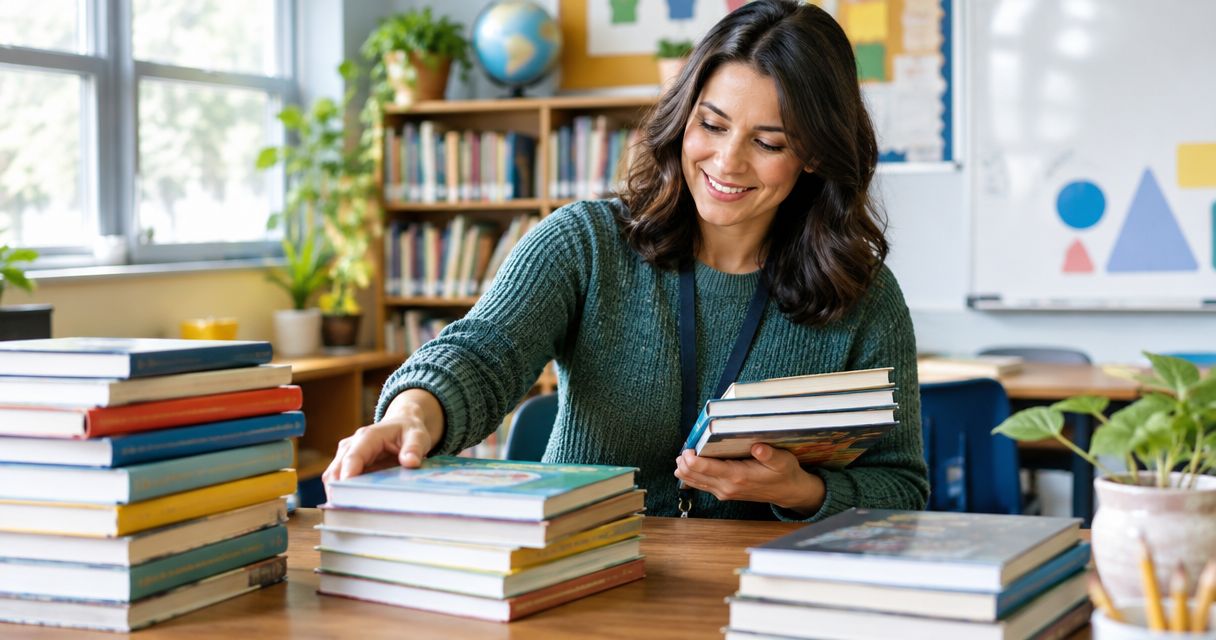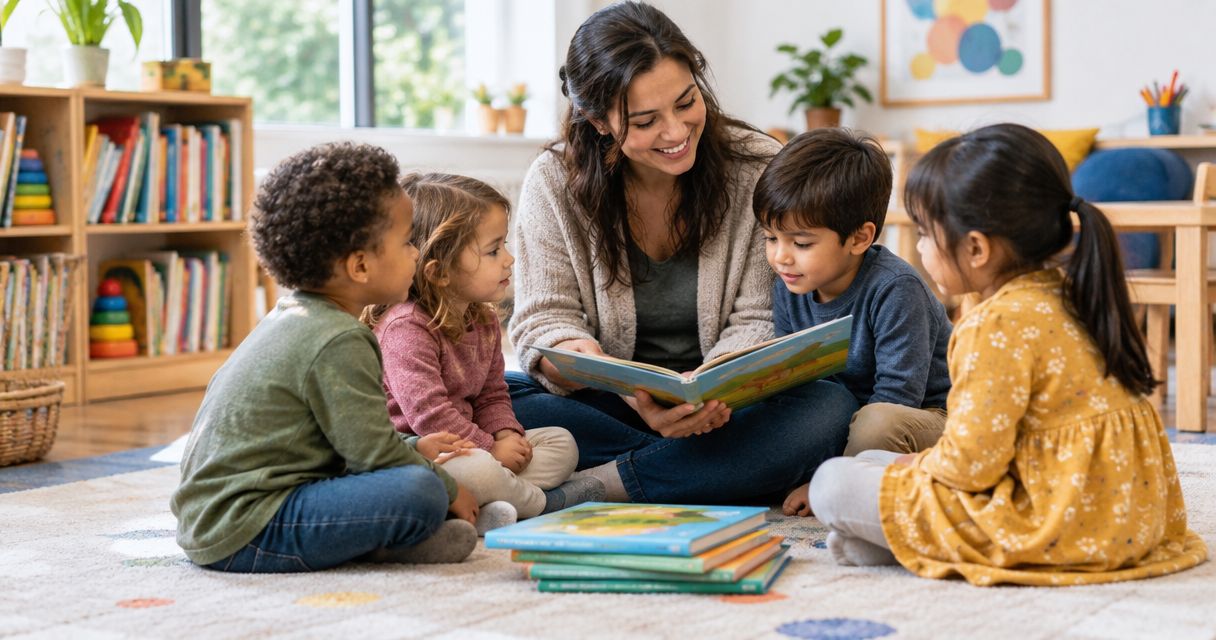
Daycare used-book shopping is the process of choosing secondhand physical books with the aim of building a useful classroom library within your budget. This 2026 guide to used books for daycares and preschools focuses on age fit, readable condition, classroom use, and careful ordering—not simply filling shelves.
- Choose used books for daycares by age fit, complete pages, and classroom purpose—not by cover appeal alone.
- Flippin Pages Bookstore sells affordable used books; verify individual listings before considering books for a preschool classroom.
- Match board books, picture books, and read-aloud choices to how your group actually uses books.
- Check condition descriptions and the full order total before buying physical books online.
Why used-book shopping matters for daycares and preschools
A daycare book has a job to do. Children might handle it independently, an educator might share it with a group, or a caregiver might use it during a quiet transition. Those uses call for different formats and different condition standards.
A readable used copy is useful only when its content and physical condition suit the children using it. A familiar title with missing pages is not a classroom bargain. Neither is a beautiful picture book whose illustrations disappear when you hold it across the room.
Before comparing listings, learn how to read used-book condition descriptions. Separate ordinary cosmetic wear from damage that interferes with reading, handling, or your program’s care procedures.
For your 2026 purchasing plan, start with the gaps in your existing collection. An overflowing shelf can still lack books that suit your youngest children, reflect your families, or work well at story time.
How to choose used books for your classroom
Define the classroom job before choosing titles
Start with a paper list or a simple spreadsheet. Walk through your classroom and identify where books belong: a quiet corner, a group-reading space, or an educator-led activity. Then describe what a successful book needs to do in each place.
Make 2 lists: books children handle independently and books adults share with them. This is a suggested planning method, not a required collection size. A book can belong on both lists, but it still needs to pass both sets of checks.
Avoid starting with a large assortment whose contents you have not reviewed. Choose a purpose first, then look for a suitable copy.
- Name the reading area or routine each purchase supports.
- Record the ages and handling needs of the children using it.
- List gaps before listing attractive titles.
- Separate replacement copies from additions to the collection.
Match the format to the reader and the setting
Use books you already own to compare formats before buying anything. Open a board book, a paperback picture book, and a hardcover picture book. Notice how each opens, how easily a child can handle it, and whether the pictures remain visible during shared reading.
Best for frequent hands-on browsing: consider intact board books with firmly attached pages. Best for adult-led group reading: consider picture books with illustrations you can share comfortably. These are selection starting points, not proof that every book in a format suits every child.
Do not treat a hardcover as automatically more useful. Its binding, size, weight, and opening behavior still need checking.
- Match page construction to how children handle books.
- Check whether the book opens without forcing the binding.
- Look for illustrations suited to the intended reading distance.
- Check that the book fits your shelf or display.
Build a shortlist before browsing a store
Write down the title, author, and intended classroom use before searching. When an edition matters, add the ISBN or identifying format details. This manual shortlist keeps a similar cover or abbreviated title from becoming an accidental substitute.
Flippin Pages Bookstore sells affordable used physical books, including fiction and romance, with fresh finds added weekly. Treat its listings as individual shopping choices; do not assume a children’s range, classroom bundles, or a particular title is offered.
Flippin Pages Bookstore is best for budget-conscious readers shopping for physical used books. For daycare purchasing, the individual book must still meet your classroom criteria. Weekly additions are a reason to check again, not a reason to order an unsuitable book.
- Search for your shortlisted title and author together.
- Confirm that the listing is for a physical book.
- Match the format and edition to your intended use.
- Leave an unmet need on your list rather than buying a poor substitute.
Inspect condition beyond the cover
Begin with a physical inspection when you can examine the book yourself. Check the cover, binding, page edges, and interior in sequence. For an online purchase, use the description and photographs, and ask about damage that would change your decision.
A worn cover and an incomplete story are different problems. For classroom reading, missing text, obscured illustrations, detached pages, or damaged interactive parts can make a copy unsuitable even when its cover looks presentable.
Your 2026 intake checklist should also follow your program’s written care procedures. Do not assume that every book material tolerates the same cleaning method, or that a seller’s condition grade establishes classroom suitability.
- Confirm that the text and illustrations are complete.
- Check for loose pages, binding separation, and damaged corners.
- Look for water damage, mold, or strong odors.
- Check flaps, tabs, and attached parts for damage.
- Ask about unclear condition details before ordering.
A useful inspection focuses on the parts children and educators actually handle. Looking only at the front cover leaves the binding and interior unchecked.
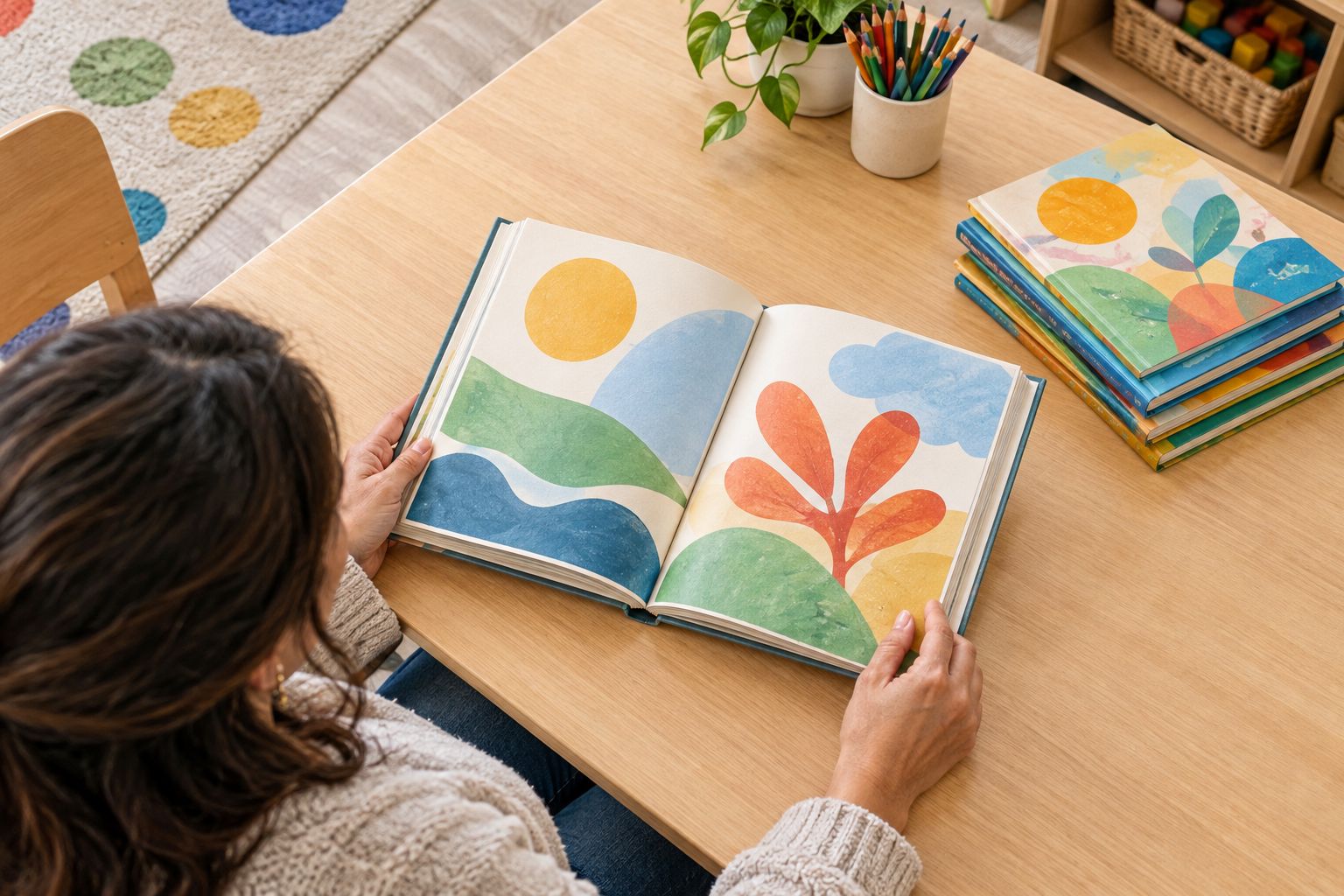
Review the content before putting it on the shelf
Use your existing collection, a borrowed copy, or a legitimate preview to review a title before purchasing. A familiar author, cheerful illustration, or broad age label does not replace reading the actual book.
Check language, emotional tone, and the situations children encounter in the story. For books about families, communities, or daily routines, consider whether the collection reflects the children you serve without relying on stereotypes.
Separate a book that needs adult conversation from one you want children to browse without explanation. Both can have a place, but the placement should be deliberate. Keep this review spoiler-free in your shopping notes; record suitability rather than retelling the story.
- Read the complete text when possible.
- Check that pictures support the intended reading experience.
- Review unfamiliar themes before group story time.
- Consider whose families and experiences the collection represents.
- Mark books that need educator-led discussion.
Compare the complete order, not isolated listings
Use a written cart checklist before checkout. Compare the exact copies, their condition, the order total, and the seller’s current shipping and return terms. Do not assume that a low individual book listing makes the complete order the right choice.
For 2026 purchases, confirm any delivery requirement against current information before planning a classroom activity around an incoming book. Keep a suitable book you already own ready for that activity instead of making the lesson depend on an unconfirmed arrival.
If you are considering Flippin Pages Bookstore, check the current listing and checkout information directly. Its affordable-used-book focus does not establish specific shipping terms, return policies, or suitability for institutional purchasing.
- Recheck the title, author, format, and quantity in your cart.
- Read condition notes for each copy separately.
- Review the full order total before payment.
- Confirm current shipping and return terms.
- Save the order details for your purchasing records.
Test the books in use before expanding the collection
Start with a small, deliberate selection rather than filling every open shelf. For example, review 3 books across different classroom uses before deciding what your next order needs. That is a trial method, not a recommended limit for a classroom library.
During the trial, observe whether children can handle the books, whether educators can share them comfortably, and whether the content fits the intended routine. Note problems with the copy separately from problems with the title or format.
For your next 2026 order, buy against those observations. Replacing a successful, worn-out classroom favorite serves a clearer purpose than adding an unrelated title simply because it is secondhand.
- Record where each book was used.
- Note handling or binding problems.
- Ask educators which books supported the intended activity.
- Keep unsuitable copies out of the classroom collection.
- Update the next-order list with specific gaps.
Compare book formats for daycare use
No single format suits every classroom task. Choose by use first, then inspect the individual copy. The table compares format strengths and limitations; it does not establish that a retailer carries these options.
| Option | Best for | Practical advantage | Key limitation |
|---|---|---|---|
| Board books | Hands-on browsing when thick pages suit the children | Stiff pages offer a different handling experience from paper pages | Edges, binding, and attached parts still need inspection |
| Paperback picture books | Adult-supported reading and flexible shelf arrangements | Flexible covers bend rather than staying rigid | Covers and paper pages can tear or crease |
| Hardcover picture books | Shared reading when the size and layout suit the group | Rigid covers support the book while it is held | A rigid cover does not guarantee a sound binding |
| Interactive books | Supervised activities built around flaps or movable parts | Physical features give children something specific to explore | Missing or damaged parts can undermine the activity |
| Mixed-format selections | Collections serving several classroom routines | Different formats can serve different uses | Every title and copy needs its own review |
When comparing copies of the same title, ask which condition differences affect use. A cosmetic mark on a cover and a torn illustration should not receive the same weight in your decision.
Common mistakes daycares and preschools make
Buying an assortment without reviewing its contents
A large assortment can contain books that do not fit your children, routines, or existing collection. Request a title list and condition details where possible. If you cannot assess the contents, do not treat the assortment as a ready-made classroom library.
Confusing a seller’s condition grade with classroom approval
A condition label describes a seller’s assessment of a copy. It does not approve the book for your program’s handling, content, or care requirements. Apply your own intake check before putting any purchase within children’s reach.
Choosing every book for group story time
A book that works in an adult’s lap might be difficult to share across a group. Keep independent browsing, close shared reading, and group reading as distinct uses when choosing formats and illustration layouts.
Buying duplicates without a reason
An extra copy makes sense when it serves a defined need, such as separate reading areas or replacing a heavily used copy. Otherwise, check your shelf list before checkout. A duplicate should be a deliberate choice, not an unnoticed cart addition.
FAQ
What should I look for when buying used books for daycares?
Choose used books for daycares by classroom purpose, age fit, complete content, and usable physical condition. Inspect the binding and pages, review the story, and apply your program’s intake procedures before classroom use.
Are board books always the best choice for preschool classrooms?
No, board books are not automatically the best choice for every preschool activity. Match the format to how children handle the book and whether an adult will share it individually or with a group.
Can I buy daycare books from Flippin Pages Bookstore?
Consider a daycare purchase only when an individual listing meets your classroom needs. Flippin Pages Bookstore sells affordable used physical books with new stock added weekly, but a children’s selection or a particular title is not established here.
How can I check a used book when shopping online?
Read the copy’s condition description and examine its photographs before ordering. Ask about missing pages, binding damage, markings, or interactive parts when the listing does not answer a question that affects your decision.
Should a preschool buy used books in large assortments?
Buy an assortment only after reviewing its contents and condition against your classroom needs. A large quantity does not establish useful titles, complete copies, or suitable reading levels.
How many used books should I order for a daycare?
Base your order on specific gaps rather than a fixed quantity. List the reading areas, routines, and replacement needs first, then order books that meet those needs.
Can I clean every used classroom book the same way?
Do not assume that every book can be cleaned with the same method. Follow your program’s written procedures and any applicable care instructions, and set aside copies that cannot meet those requirements.
One last thing
Keep 1 copy of your classroom wish list beside your ordering records. After each purchase, mark which need it filled and which needs remain open. This simple habit makes a weekly browse purposeful: you are looking for a useful classroom book, not just another book to put away.