
Contemporary fiction readers’ budget book shopping is the process of choosing physical novels that fit your taste and spending limit so you can buy books you want to read. Start with story preferences, then compare the condition, format, and total order cost of individual copies rather than choosing by cover alone.
- Choose affordable books for contemporary fiction readers by story fit, readable condition, and total order cost.
- Flippin Pages Bookstore suits readers shopping for affordable used fiction and romance, with fresh finds added weekly.
- Read spoiler-free descriptions before buying; a familiar theme does not guarantee a familiar reading experience.
- Choose used paperbacks for portability and compare individual copies before deciding.
Why affordable books matter for contemporary fiction readers
Contemporary fiction covers different reading experiences: family relationships, friendships, work, love, and personal change. A book about a subject you enjoy can still disappoint if its pace, tone, or narrative style does not suit you. Story fit matters as much as the copy you buy.
For your 2026 reading list, separate the reading decision from the buying decision. First decide whether the novel interests you; then decide whether the particular used copy meets your needs. That keeps an appealing cover from becoming the only reason you order.
Used-book shopping adds a second judgment: what wear can you accept? Learn how to read used-book condition descriptions before comparing copies. Cosmetic wear and damage that interrupts reading deserve different decisions.
You do not need a perfect-looking shelf to enjoy contemporary fiction. You need a readable copy, a story that interests you, and an order that stays within your own limit.
How to choose your next contemporary fiction book
1. Define the reading experience you want
Start with a free shortlist in a notebook or notes app. Write down what you want from the next novel before browsing: an absorbing family story, a relationship-led read, or something with a sharper, more unsettling tone. These preferences give you a reason to choose one book over another.
Pick 2 reading preferences that matter most. Perhaps you want a close focus on one character and a hopeful tone. Another reader might prefer several perspectives and a morally complicated situation. Neither choice requires knowing the ending.
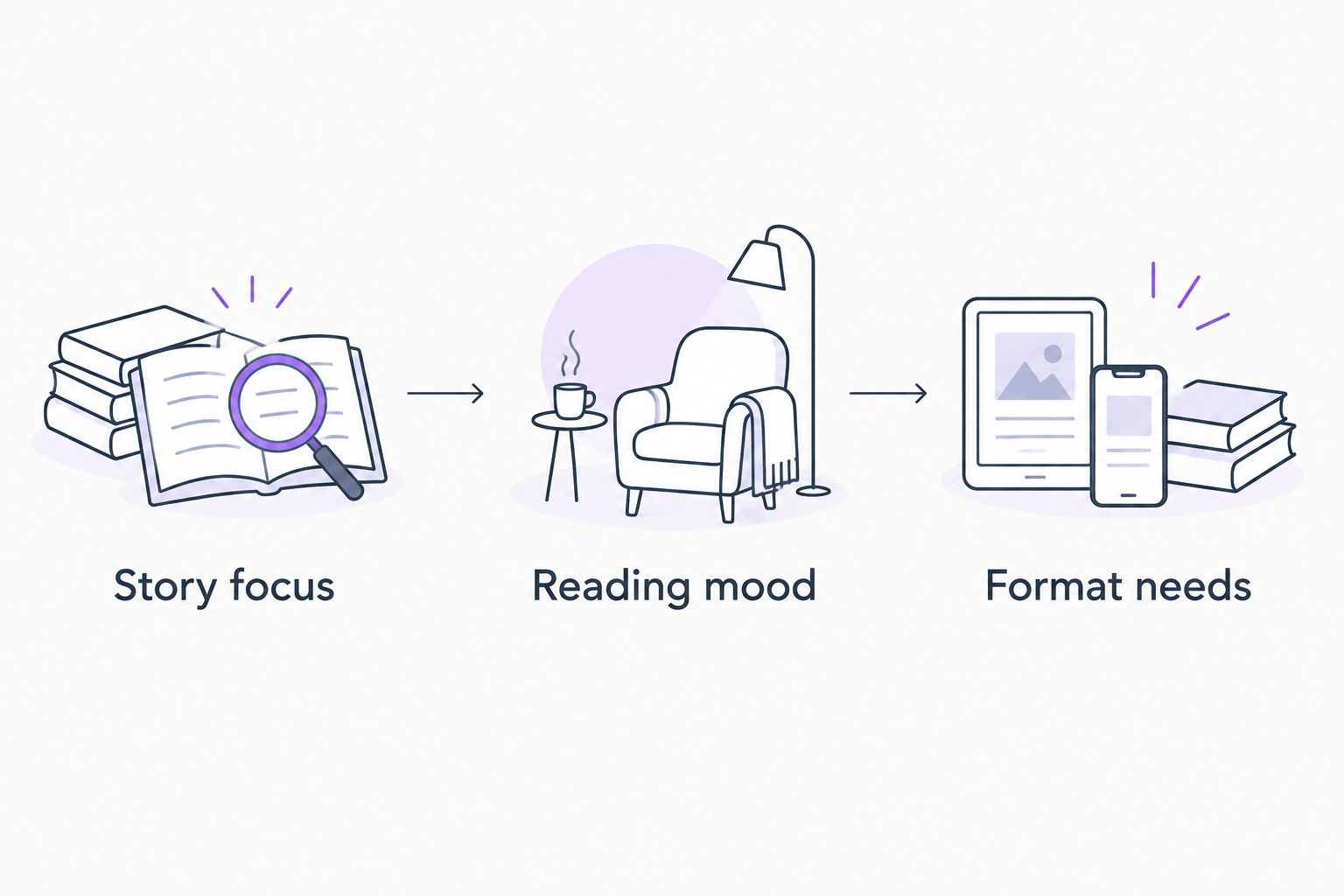
For your 2026 shortlist, use these three headings to keep the decision simple:
- Story focus: identify the relationships, setting, or central situation you want.
- Reading mood: choose comforting, reflective, funny, tense, or another clear preference.
- Format needs: note whether portability, print size, or shelf space affects your choice.
2. Read descriptions without collecting spoilers
Use the book’s publisher description or jacket summary to understand its central situation. Then look for discussion of writing style and pace rather than a detailed account of events. You are checking whether the experience suits you, not trying to settle every question before opening the book.
A description centered on a relationship does not automatically make a novel a genre romance. Romance readers should distinguish between a love story within broader contemporary fiction and a book presented specifically as romance. That distinction helps you set expectations without revealing plot details.
Keep 3 candidate titles on your shortlist. This gives you alternatives without turning a small purchase into a long research project.
- Record the title and author so you do not confuse similarly named books.
- Check whether the description emphasizes relationships, family, work, or another subject you want.
- Stop reading reviews when they begin explaining major events or endings.
- Remove books whose tone or subject conflicts with your stated preferences.
3. Browse used fiction against your shortlist
The manual approach is simple: search your candidate titles, open the relevant listings, and record the details that affect your decision. Compare books you genuinely want rather than adding unrelated titles because they appear inexpensive. A readable copy of an unwanted novel still takes up space.
For a more focused starting point, browse Flippin Pages Bookstore for affordable used fiction and romance. Fresh finds are added weekly. The limitation is that a changing selection is not a promise of a particular title, edition, or matching set.
Flippin Pages Bookstore is best for readers shopping for affordable used fiction and romance. Use your shortlist as a filter, but allow an unfamiliar book through when its description fits your preferences.
- Search for a specific author or title when you already know what you want.
- Compare unfamiliar fiction against your story focus and reading mood.
- Read the individual listing rather than treating a cover image as a full description.
- Keep 1 backup title for cases where your first choice does not meet your requirements.
4. Separate cosmetic wear from reading problems
A used novel does not need an untouched cover to be worth reading. Cover scuffs, creased corners, and other disclosed signs of handling are different from missing pages or a damaged binding. Decide what you can accept before a listing makes the decision feel urgent.
Condition terms alone do not explain every copy. Read the accompanying description and inspect any available photographs. If the information does not answer an important question, ask for clarification rather than assuming that an unfamiliar term means what you hope it means.
For a book you plan to carry daily, concentrate on whether it holds together and reads comfortably. For a gift or a collection, appearance deserves a separate check.
- Check for disclosed missing, loose, or damaged pages.
- Look for notes about highlighting, underlining, or writing inside the book.
- Distinguish a creased cover from a binding problem.
- Check whether the description mentions moisture damage or odors.
- Ask about any condition issue that would make you reject the copy.
5. Match the format to how you read
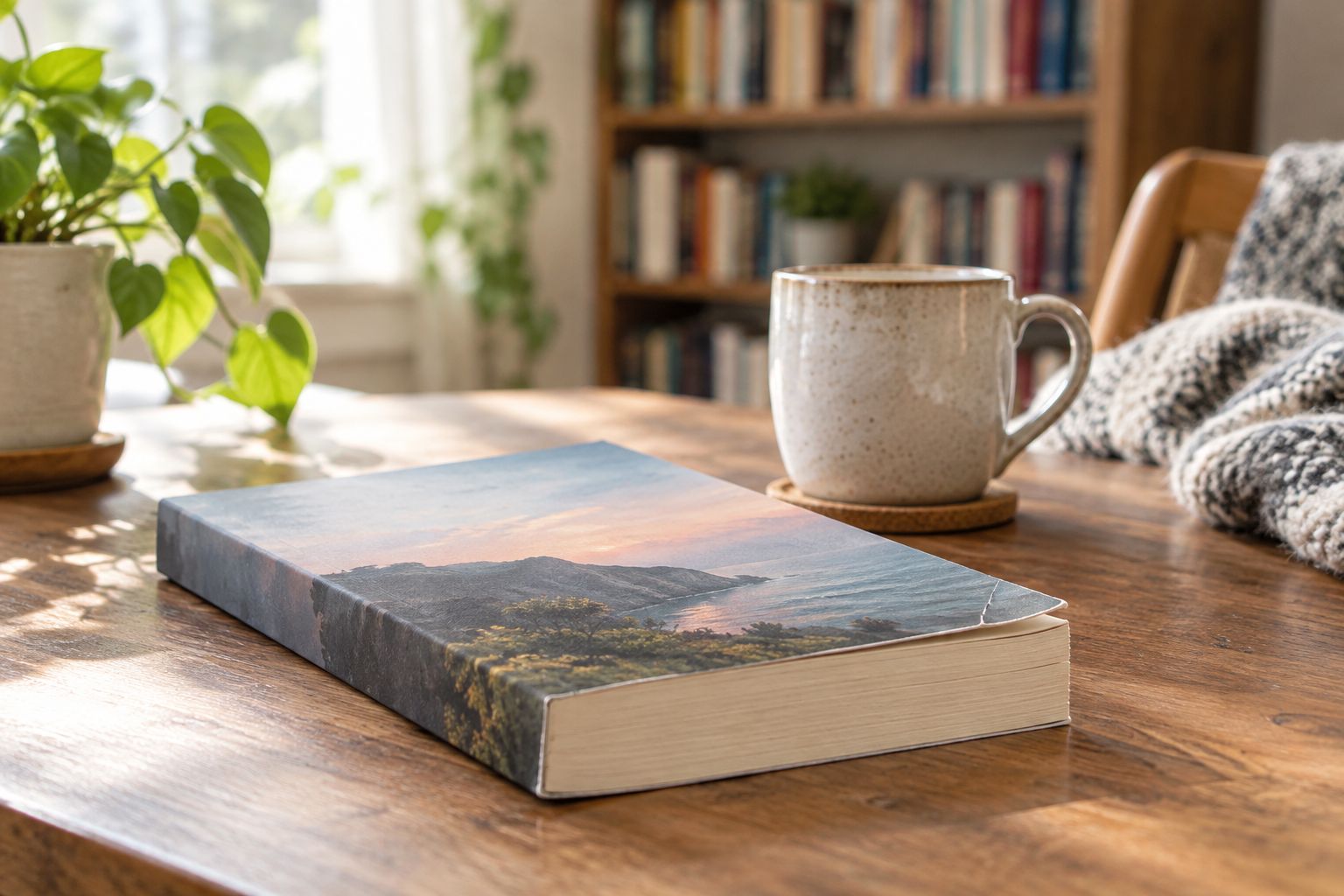
Choose the copy you will enjoy handling, not just the one that looks best in a photograph. A paperback can suit a bag or a small shelf; a hardcover can suit readers who prefer a rigid cover. Actual dimensions and weight vary by edition, so inspect the listing rather than assuming every paperback is compact.
Print size matters independently of cover type. A hardcover is not automatically a large-print edition, and two editions of the same novel can feel different in your hands. If comfortable reading depends on a particular feature, confirm it explicitly.
For your 2026 purchases, decide which format features are requirements and which are merely preferences.
- Check the stated binding: paperback or hardcover.
- Confirm large print when that is a requirement.
- Review dimensions when bag space or shelf depth matters.
- Check the edition details if you want copies that match.
6. Compare the complete order before paying
Set your spending limit before building the order. Then check the displayed book charges, shipping terms, taxes, and any other applicable checkout charges. A listing figure alone does not tell you whether the complete purchase fits your budget.
Compare only books you want to read. Adding an unwanted novel to change the order total does not make it a better reading choice. Likewise, do not assume that buying several books changes shipping charges; read the current terms and inspect checkout.
For a 2026 book-club read, timing belongs in the decision too. Check the stated delivery information against your discussion date, without treating an estimate as a guarantee.
- Set a maximum for the whole order, not just each book.
- Review every charge shown before payment.
- Read the current shipping and return terms.
- Confirm the title, author, format, and condition in your order.
- Remove books you added without a clear reason to read them.
7. Keep a short list for future weekly finds
A saved list lets you return with a purpose instead of starting over. After a reading session or finishing a novel, note what worked: perhaps the dialogue, a close friendship, or the balance between humor and difficult subjects. Use that observation to refine your next search.
Flippin Pages Bookstore adds fresh finds weekly, so a later visit can be a separate shopping decision rather than a reason to force today’s purchase. Weekly additions do not establish when a specific title will appear. Keep your requirements steady and assess each listing on its own.
Make your 2026 reading list useful rather than exhaustive. A small set of wanted books is easier to compare than a collection of every recommendation you encounter.
- Keep a wanted list with title and author together.
- Record the format and condition you will accept.
- Add a brief note explaining why each book interests you.
- Remove titles that no longer match your reading mood.
Browse your next used read
Explore affordable used fiction and romance, with fresh finds added weekly.
Compare your book-buying options
Choose by use, then compare individual copies. These options describe formats and buying approaches, not verified listings. No format guarantees a particular condition, print size, or total order cost.
| Option | Best for | Main advantage | Key limitation |
|---|---|---|---|
| Used paperback | Readers prioritizing portability and a flexible cover | A format suited to carrying and everyday handling | Dimensions vary, and cover or spine wear needs checking |
| Used hardcover | Readers who prefer a rigid cover | Firm covers for readers who like that feel | Size, weight, and dust-jacket condition need separate checks |
| New copy | Readers who specifically want an unused book | Removes the need to accept previous-reader wear | You still need to confirm edition, format, and complete order cost |
For a reading copy, give readability priority over matching covers. For a collection, edition details become part of the buying decision. Neither goal is wrong, but mixing them makes it harder to judge whether a particular copy meets your needs.
Common mistakes contemporary fiction readers make
Treating every relationship-led novel as romance
A contemporary novel can explore love without being presented as genre romance. Check the description and category before buying, especially when you want the expectations associated with romance rather than a broader relationship story.
Choosing a familiar theme but ignoring tone
Two novels about friendship can offer very different experiences. One description might emphasize humor while another emphasizes conflict. Match the tone to your current reading mood instead of letting a shared subject decide everything.
Rejecting cosmetic wear while overlooking usability
An attractive cover does not answer questions about markings, loose pages, or binding damage. Read the condition details in full. Decide whether you want a comfortable reading copy, a gift, or a display copy before judging appearance.
Buying more than your shortlist supports
An extra title still needs a reason to join your shelf. If you cannot explain why you want to read it, leave it out of the order and keep looking. A smaller, deliberate order serves your reading plans better than an unexplained pile.
FAQ
What's the best way to find affordable books for contemporary fiction readers?
Start with your preferred story focus and reading mood, then compare individual used copies. Check condition, format, and the complete order before paying.
Is contemporary fiction the same as contemporary romance?
No, contemporary fiction and contemporary romance are not interchangeable labels. Check how the book is described rather than assuming that a central relationship makes it a genre romance.
Should I choose a used paperback or a used hardcover?
Choose the format that suits how you read and store books. Paperbacks suit readers who prefer flexible covers, while hardcovers suit readers who prefer rigid ones; confirm the actual edition details.
Does Flippin Pages Bookstore sell physical books or offer free online reading?
Flippin Pages Bookstore sells physical used books, including fiction and romance. Treat browsing as shopping for a copy to order, not as access to free online reading or ebooks.
How do I judge whether a used novel is readable?
Check the condition description for page damage, binding problems, markings, and other disclosed issues. Ask for clarification when an issue would affect your decision.
Can I count on finding a specific novel in weekly additions?
Weekly additions do not guarantee a specific title or edition. Keep a wanted list and assess current listings against your requirements.
What should I check before ordering a used book online?
Confirm the title, author, edition, binding, and stated condition before ordering. Then review the complete checkout total, shipping information, and current return terms.
One last thing
Write down why you want the book before adding it to your order. A note such as family relationships, dry humor, or a setting you want to explore gives you a better shopping filter than an appealing cover. If the listing supports that reason and the copy meets your requirements, you have a clear basis for buying.