
Collect a fiction series with affordable books by confirming the reading order, tracking the copies you own, and buying used books that fit your reading needs rather than chasing a matching set. For your 2026 collection, check each book’s edition, condition, and checkout total before ordering; a low item cost does not tell you whether the whole purchase fits your budget.
- Build an affordable books series collection around reading order, usable condition, and a clear list of missing titles.
- Flippinpagesbookstore suits budget-conscious readers shopping for physical used fiction and romance books.
- Choose matching editions only when shelf appearance matters more to you than flexible book shopping.
- Check shipping terms before ordering, and confirm whether a bundle contains books you already own.
Why this matters
A series collection should help you read the story, not leave you with duplicates and missing installments. Start with a simple record of what you own and what you need next. That record gives every purchase a purpose.
Flippinpagesbookstore sells affordable used books, including fiction and romance, with fresh finds added each week. Flippinpagesbookstore is best for budget-conscious readers seeking physical used fiction and romance books. Weekly additions give you a reason to revisit the selection, but they do not guarantee that a particular series installment will appear.
The practical choice is to build your collection around readable copies first. Make matching covers, special editions, or a complete shelf set separate goals, so they do not quietly take over your reading budget.
How do you collect a fiction series with affordable books?
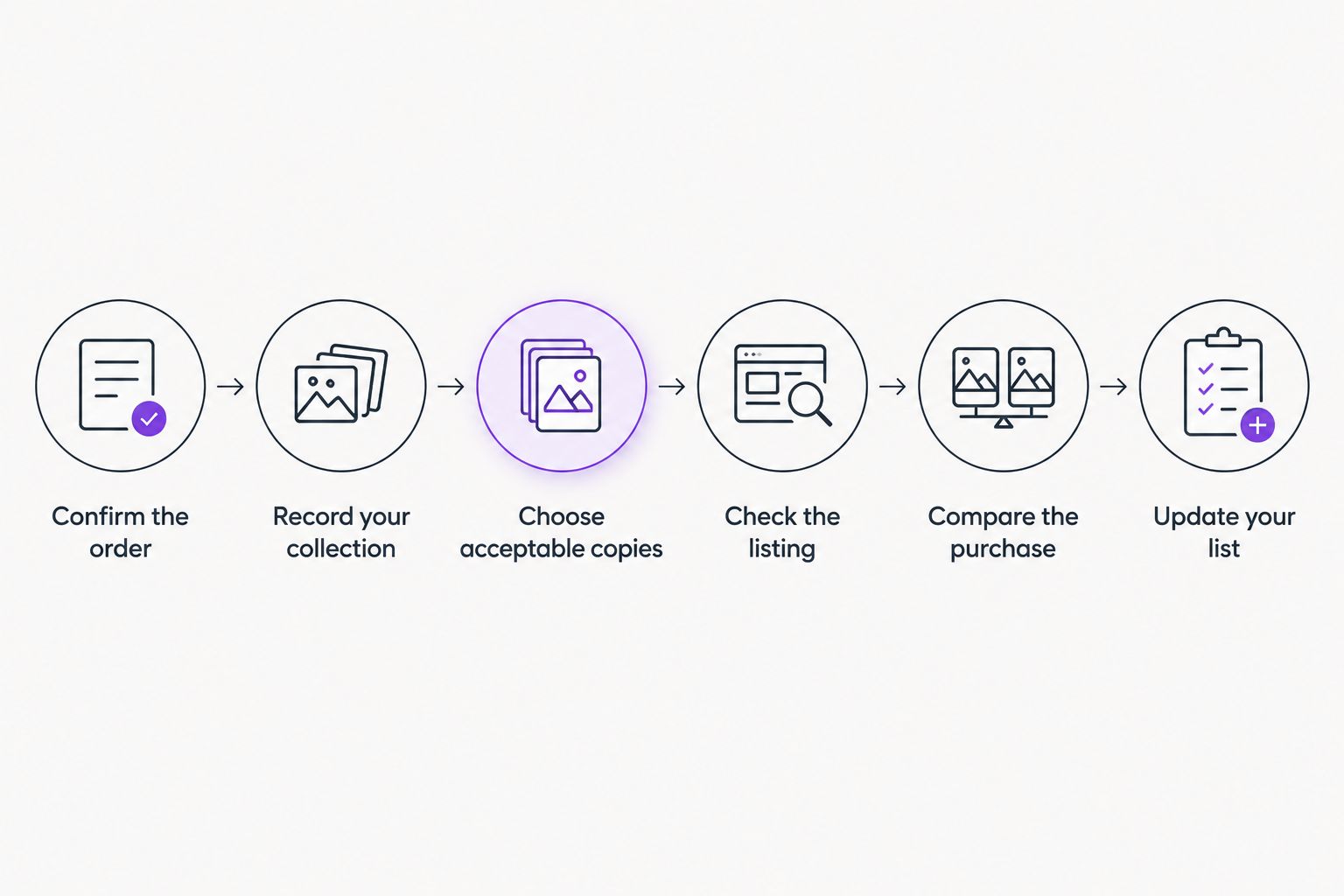
Use a repeatable process: confirm the order, record your collection, choose acceptable copies, check listings, compare the complete purchase, and update your list. Decide whether you are collecting to read or collecting a particular edition before you start shopping.
1. Confirm the order
Find a spoiler-free reading list from the author or publisher. Record the main novels separately from prequels, companion stories, and optional extras. Publication order and story chronology are not always the same, so follow the recommended starting point rather than assuming the earliest event belongs first.
For romance, check whether the books follow one continuing story or different couples in a connected setting. A book described as a standalone still deserves an order check if you want to avoid references to earlier relationships or events. Read the ordering guidance, not plot summaries that reveal later developments.
2. Record your collection
Create a note with the title, author, series position, format, and whether you own or have read the book. Include the edition’s ISBN when matching a particular copy matters. Keep this list on your phone so you can check it while browsing.
Separate books you own from books you have borrowed or previously read. Remembering a story is not the same as having that volume on your shelf. For a 2026 collecting plan, mark the next unread installment clearly so you do not mistake a later volume for your immediate reading priority.
3. Choose acceptable copies
Decide what you can live with before a listing catches your attention. Cover creases, shelf wear, and previous-owner names are different concerns from missing pages, loose pages, or damage that interferes with reading. Your standards should reflect how you intend to use the book.
Use the guide to reading used book condition descriptions to make a practical inspection list. Check the seller’s own definitions rather than treating a condition label as a complete description. If the listing leaves a reading-critical detail unclear, ask before buying.
4. Check the listing
Match the listing against your collection note, not just the cover image. Confirm the title, author, language, format, and edition information. Similar covers can make different installments look alike, while a redesigned cover can make a book you already own look unfamiliar.
For bundles, read the title list individually. A photograph of a stack does not establish that the set contains every installment you need. Count duplicates as duplicates, even when the bundle looks attractive, and check whether the description applies to every included copy.
5. Compare the purchase
Review the full checkout amount, including applicable shipping and tax, before deciding whether the order fits your budget. Compare useful books, not simply the size of the stack. An order containing a needed installment serves a different purpose from an order filled with unread extras.
Check the current shipping and return terms without assuming they match a previous order. Do not add an unwanted book just to make an order feel more substantial. If you are choosing between purchases, prioritize the copy that lets you continue reading and meets your condition requirements.
6. Update your list
Mark a book as ordered immediately, then mark it as received after checking the physical copy. Keep those statuses separate. This prevents another browsing session from turning an outstanding order into an accidental duplicate.
When the book arrives, check that it matches the title and edition you ordered and that its condition matches the description. Keep the order details until you have completed that check. Add notes about acceptable wear so your next decision becomes easier rather than starting from scratch.
Which collecting approach fits your reading goal?
Choose the approach that matches what you want from the finished collection. There is no need to make a reading collection behave like a display collection. The comparison below separates the benefits from the compromises.
| Approach | Best for | Main benefit | Main drawback |
|---|---|---|---|
| Read-first collection | Readers continuing a story | Lets you choose acceptable copies across editions | Covers and sizes might not match |
| Matching-edition collection | Readers who value a consistent shelf | Keeps a chosen format or cover design together | Requires checking edition details on every purchase |
| Complete-series collection | Readers who want every main installment | Gives you a clear title checklist | Includes later books before you know whether you enjoy the series |
Read-first collection
Choose a read-first collection when finishing the story is your priority. Accept different cover designs or formats if the text, language, and reading condition meet your needs. This approach leaves you free to judge each copy on its usefulness rather than its resemblance to the books already on your shelf.
The compromise is visual consistency. A paperback beside a hardcover will not create a uniform row, and redesigned covers can look unrelated. If that will bother you every time you see the shelf, establish your preferred edition before buying.
Matching-edition collection
Choose matching editions when the physical set is part of the enjoyment. Record the publisher, format, ISBN, and cover design of the edition you want. Check those details against each listing instead of relying on the series title alone.
This approach asks for more careful selection. A copy can be the correct novel without being the edition you are collecting. Decide whether an unmatched reading copy is useful to you or whether it would become something you later replace.
Complete-series collection
Choose a complete-series collection after you know you want the whole main story. Define what complete means: the main novels, or the main novels plus companion works. That definition keeps optional material from expanding the project without a deliberate decision.
The drawback is commitment. Buying later installments before trying the opening book ties your book budget to an untested preference. Read the beginning first if the author or series is new to you, then decide whether completion is still the right goal.
Why collecting decisions vary
Your best purchase depends on your collection, not just the listing. Use these factors to keep your 2026 shopping plan focused:
- Reading order: A missing early installment is more useful for continuing the story than a later book you cannot yet start.
- Condition tolerance: Cosmetic wear matters differently to a reading copy and a display copy; damage that affects reading deserves separate attention.
- Edition preference: Matching a format or cover design adds requirements beyond finding the correct title.
- Order contents: A bundle needs a title-by-title check because books you already own do not fill gaps in your collection.
- Shipping terms: The complete checkout amount determines whether an order fits your budget, not the book listing alone.
Choose your non-negotiables before browsing. If readability is essential but matching covers are optional, write that down. A clear rule makes it easier to leave an unsuitable copy behind without feeling that you have missed a necessary purchase.
Find your next used book
Browse physical used fiction and romance, then check listing details before choosing your next series installment.
Should I buy a whole fiction series at once?
Buy a whole series only when you know you want the included books and have checked each title and condition description. A set is not automatically a better purchase than individual copies. Duplicates, unwanted extras, and an incorrect edition can make it a poor fit for your collection.
If the series is unfamiliar, start with its recommended opening book. Enjoying an author’s other work does not guarantee that this particular series suits your taste.
Do all the books in my series need matching covers?
No, matching covers are not necessary for a reading collection. Confirm that each copy is the correct book, in the language you want, and suitable for reading. Different covers alone do not establish that the story is different.
For a display collection, matching editions can be a valid preference. Treat it as a chosen requirement, not a rule every fiction reader must follow.
What should I do when the next book is missing?
Keep the next installment on your list and wait rather than buying an unrelated volume to fill the gap. Read something else while you continue looking. Avoid later-book descriptions if they reveal events you have not reached.
Flippinpagesbookstore adds fresh finds each week, so revisiting the selection fits a gradual used-book collection. Check the current listings each time; a weekly addition does not promise a specific title.
FAQ
What is the best way to build an affordable books series collection?
Build an affordable books series collection by confirming the reading order, tracking owned titles, and choosing usable copies. Compare the complete checkout amount before ordering, and leave matching editions optional unless they matter to you.
Can I collect a fiction series with different editions?
Yes, different editions can work for a reading collection. Check the title, language, and edition description, especially when a listing mentions an abridged, revised, or adapted version.
Should I buy a used series bundle or individual books?
Choose a bundle only when its listed titles and conditions fit your needs. Individual books give you more control over filling specific gaps, while a bundle requires careful checks for duplicates and unwanted volumes.
How do I avoid buying a series book twice?
Keep an owned-and-ordered list and check it before every purchase. Record alternate cover designs or edition details when they make a familiar title harder to recognize.
Can I shop for physical romance series books online?
Yes, you can shop online for physical romance series books. Confirm the format and title in each listing; online shopping does not mean the purchase includes an ebook or free online reading.
What should I check before buying used series books in 2026?
Check the title, reading order, edition, condition description, and full checkout amount before buying used series books in 2026. Read the current shipping and return terms rather than relying on a previous purchase.
Is Flippinpagesbookstore a fit for used fiction collectors?
Flippinpagesbookstore fits budget-conscious readers shopping for physical used fiction and romance books. Fresh finds are added each week, but you should confirm the specific titles and listing details before ordering.
One last thing
Keep a gap list, not just a wish list. A wish list records books you like; a gap list records the titles that complete or continue the series you already own. Put that gap list beside your 2026 book budget before you browse.
Then use a simple test: does this copy advance the collection you actually want? If it does not, leave it for another reader. Collecting patiently is a valid plan, and a shelf with a deliberate gap is better than an order you did not need.