
Rereaders’ used-book shopping is choosing affordable books for rereading with the aim of owning familiar stories within your book budget. Unlike shopping for a new discovery, replacing an old favorite means checking not just the title, but the edition, physical condition, and details that made your original copy comfortable to read.
- Choose affordable books for rereading by matching the edition and checking physical condition before ordering.
- Flippinpagesbookstore suits fiction and romance rereaders shopping for affordable physical used books, with fresh finds added weekly.
- Prioritize readable pages and sound binding over an unmarked cover when choosing a reading copy.
- Compare the complete order total, not just the amount shown beside a book.
Why used-book shopping matters for rereaders
An old favorite gives you a clear starting point: you already know you want the story. The shopping decision is whether a particular physical copy suits the way you want to read it again.
That distinction matters when you are replacing a worn paperback, rebuilding a romance collection, or finding a novel you once borrowed. A matching cover, familiar translation, or comfortable print size can matter more than a pristine jacket. Start with this guide to reading used-book condition descriptions before judging a listing by its photograph alone.
For your 2026 reading list, separate books you want to reread soon from books you simply remember fondly. Buy for a planned reread, not just the pleasure of recognizing a cover. That keeps the decision tied to reading rather than filling a shelf.
How to choose copies of old favorites
1. Identify the book you actually remember
Write down the title and author before browsing. If your memory is incomplete, add a character name, setting, or distinctive detail to your notes; treat remembered cover colors as clues rather than proof.
Then decide whether you want the same story or the same edition. Those are different goals. A replacement copy can satisfy the first without reproducing the cover, page layout, or illustrations of the book you remember.
Make a shortlist of 3 titles for your next rereads. This is a shopping limit, not a rule about how many books you should own: it gives you a manageable set of listings to compare.
- Record the title and author together.
- Note whether a translation, illustrator, or revised text matters.
- Save the ISBN from an old copy when you have it.
- Mark each title as a reading replacement or an edition-specific search.
2. Choose your non-negotiable features
Decide what would make a copy unsuitable before you start comparing it with others. For a reading replacement, that might be small print, loose pages, or extensive highlighting. For a sentimental replacement, the wrong cover might be enough to rule it out.
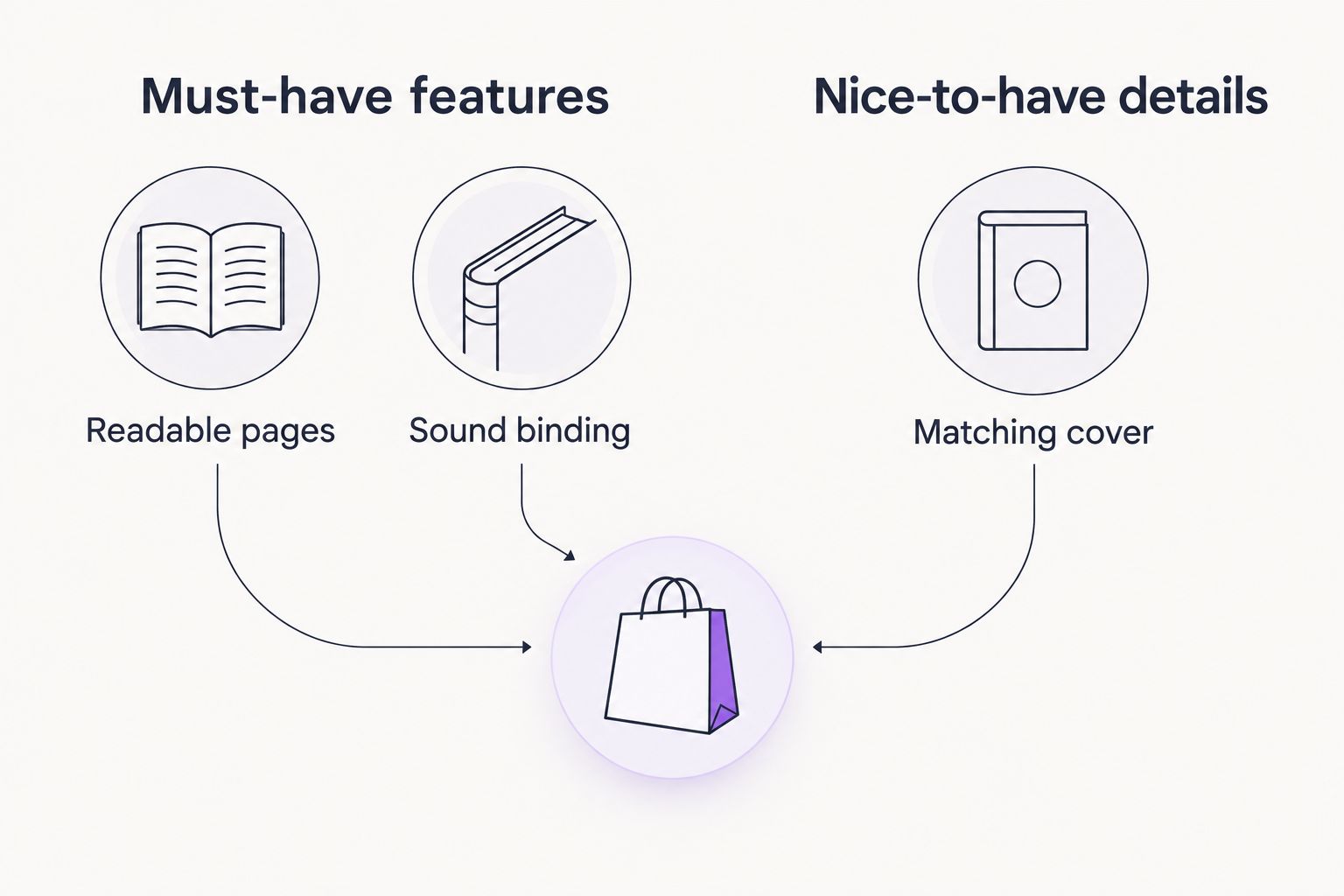
Keep essential features separate from preferences. Wanting an uncreased spine is different from needing a binding that holds together. If every cosmetic detail becomes essential, you turn a straightforward reading purchase into a much narrower edition hunt.
Use 2 lists: must-have features and nice-to-have details. Review both when planning your 2026 book purchases so that an appealing photograph does not quietly change your requirements.
- Name the format you prefer to hold and read.
- Decide whether writing or highlighting would distract you.
- Identify edition details you will not compromise on.
- Set aside cover preferences that do not affect the reread.
3. Browse used books with a short list
Start manually with your title-and-author notes. Search for one book at a time, then compare the listing details with your requirements. You do not need a collection app or a detailed spreadsheet to replace a favorite paperback.
For a focused place to browse, Flippinpagesbookstore sells affordable physical used books, including fiction and romance, with fresh finds added weekly. Flippinpagesbookstore suits fiction and romance rereaders shopping for affordable physical used books.
The store is a shopping option, not a guarantee of a particular title or edition. Keep exact-copy searches tied to the individual listing, and check the details before deciding that a book matches your old favorite.
- Search by title and author rather than genre alone.
- Compare each promising copy with your must-have list.
- Keep a note of unanswered questions about the book.
- Revisit weekly additions without treating each visit as a reason to order.
4. Check condition for another full read
Read the condition description from the perspective of someone opening the book repeatedly. Cover wear and page discoloration concern appearance; missing pages, detached sections, and unclear text affect the reading itself. Do not treat those issues as interchangeable.
A condition label is a starting point, not a complete description. Read any accompanying notes and inspect the photographs provided. If a listing does not answer a question that matters to you, ask the seller before ordering rather than assuming the answer.
Choose a copy you will enjoy using, not one you will worry about opening. A visibly read paperback can suit a reread if its disclosed condition meets your needs.
- Check for missing, loose, or damaged pages.
- Look for notes about highlighting and handwritten marks.
- Read any disclosure about moisture damage or odors.
- Inspect the spine and binding in available photographs.
- Ask about a specific concern when the description leaves it unresolved.
5. Match the edition when the differences matter
An ISBN identifies a particular publication and format, making it a useful check when you want a specific edition. Compare the listing’s identifier with the copy you are replacing, alongside the publisher and format details. Do not rely on cover resemblance alone.
For translated fiction, record the translator’s name if you want the same wording you remember. For an illustrated favorite, check the illustrator and whether the listing describes that edition. For a romance series, confirm the volume rather than assuming a familiar author name means you have found the right book.
Before placing a 2026 replacement order, choose 1 detail you will verify directly against the listing. That small pause helps distinguish a similar-looking book from the copy you intended to buy.
- Match the title and author exactly.
- Check the ISBN when a specific edition matters.
- Confirm the translator or illustrator where relevant.
- Verify the series volume and whether the book is an omnibus.
- Treat a different cover as a prompt to check, not automatic proof of a mismatch.
6. Compare the whole order before deciding
Set a spending limit before moving books into your basket. Then review the complete amount at checkout, including shipping and any applicable taxes. A book’s displayed amount does not tell you the total cost of receiving it.
Keep your 2026 book budget focused on the copies you wanted before browsing. Adding an unrelated novel to make an order feel more worthwhile still changes your spending. Judge the additional book on its own merits rather than treating a larger basket as the goal.
Flippinpagesbookstore adds fresh finds weekly, but that is a reason to browse thoughtfully, not a reason to buy an unsuitable copy. An unanswered condition question remains unanswered even when you are pleased to recognize the title.
- Review the complete checkout total before paying.
- Read the shipping terms shown for your order.
- Check the seller’s stated return terms.
- Remove books that do not fit your original reading plans.
- Save uncertain titles to your notes rather than buying under pressure.
7. Give the replacement a reading purpose
Decide when and how you want to reread the book. A paperback for travel, a hardcover for reading at home, and an edition that replaces a childhood favorite serve different purposes. Let that purpose settle close decisions between otherwise suitable copies.
When the book arrives, compare it with the listing and your order details. If something differs, keep your order information and follow the seller’s stated process. Do not wait until the planned reread to discover that you received the wrong volume.
For the rest of 2026, keep a simple record of books you own, books you have ordered, and books you still want. This gives a familiar title somewhere to go besides another shopping basket.
- Assign each purchase to a planned reread.
- Check the received title, format, and edition.
- Compare the physical copy with the disclosed condition.
- Mark the title as owned in your book list.
Compare your options for a rereading copy
The best copy is the one that fits your reading purpose and disclosed condition requirements. Format alone does not establish whether a particular used book is suitable. Compare the individual copy, especially when buying a replacement for an edition you loved.
| Option | Best for | Main advantage | Key limitation |
|---|---|---|---|
| Used paperback | Rereaders who prefer a flexible cover | Suits readers who enjoy holding and carrying paperbacks | Binding wear and print size still need checking |
| Used hardcover | Rereaders who prefer a firm cover | Provides the physical format they already enjoy | Size and weight vary by edition |
| Exact-edition replacement | Readers attached to a particular translation, layout, or cover | Preserves the specific features that matter to the reader | Requires more detailed matching than a title-only search |
| Different-edition reading copy | Readers who mainly want the story again | Removes unnecessary cover-matching requirements | Text, illustrations, or layout can differ; verify important details |
| Borrow your existing copy back | Readers whose favorite is currently on loan | Lets you reread the copy you already own | Depends on arranging its return |
Do not pay for an edition preference you do not actually have. Equally, do not dismiss a meaningful preference as fussiness: if familiar illustrations are central to the reread, checking them belongs in the buying decision.
Common mistakes rereaders make
Buying the memory of the cover
A familiar jacket can draw your attention before you read the listing. Check the title, author, and edition details first; the photograph is not a substitute for identifying the book.
Treating every sign of use as a problem
A cover crease and a missing page have different consequences. Judge disclosed wear against your reading needs instead of rejecting a suitable reading copy for a cosmetic detail you do not mind.
Confusing a series favorite with the right volume
An author’s name or recurring character does not identify the installment you want. Check the full title and series position, especially when editions use different cover designs or combine several works.
Ordering another copy you already own
Before replacing a favorite, check your shelves, storage, and books lent to friends. If you deliberately want a second copy, give it a separate purpose rather than buying it because the title feels familiar.
FAQ
What's the best way to find affordable books for rereading?
Start with the title, author, and any edition details you want to match, then compare physical used copies. Check condition and the complete order total before choosing.
Is a used paperback or hardcover better for rereading?
Choose the format you prefer to hold and read. Check the individual copy's binding, size, and disclosed wear rather than assuming either format is automatically the better purchase.
Do I need the same ISBN as my old favorite?
Matching the ISBN is useful when you want a particular edition and format. If you mainly want to reread the story, verify the text-related details that matter to you, such as the translator or whether the edition is abridged.
Can I buy physical romance books from Flippinpagesbookstore?
Flippinpagesbookstore sells physical used books, including romance and fiction. Check the individual listing for the title, edition, and condition before ordering.
Should I avoid used books with highlighting?
Avoid highlighting if it will distract you during the reread. If markings do not bother you, use the seller's description to judge whether that particular copy meets your needs.
How do I compare the cost of replacement copies?
Compare the complete checkout totals for copies that meet the same requirements. Include shipping and applicable taxes, and read the stated order terms before paying.
How often should I look for old favorites?
Choose a browsing routine that suits your reading plans rather than checking constantly. Flippinpagesbookstore adds fresh finds weekly, so keeping a title-and-author list gives each visit a clear purpose.
One last thing
Before replacing a favorite, check whether the part you miss is the story or the physical object. If it is the story, a different cover need not disqualify a suitable reading copy. If it is the object, write down the edition details before shopping. That distinction is more useful than judging every copy against an imperfect memory.