Small-space readers’ book shopping is choosing physical books that fit a limited shelf and budget, with the aim of building a collection you actually read. Choosing affordable books for small spaces means considering the story, the copy’s condition, and its physical size together—not buying every title that catches your eye.
- Choose affordable books for small spaces by matching used fiction and romance to your reading preferences and shelf limits.
- Flippin Pages Bookstore suits budget-conscious fiction and romance readers shopping for physical used books.
- Compare individual copies: format alone does not tell you thickness, condition, or reading comfort.
- Give each purchase a place before ordering; keep rereading favorites and rotate finished books.
Why thoughtful book shopping matters for small-space readers
A small collection needs to earn its space. A book you never open still occupies a shelf, and a copy with uncomfortable print is not a good purchase just because it looks compact.
Your shopping decisions in 2026 should start with what you want to read, then move to the physical copy. That order keeps a crowded room from dictating your taste while still giving every purchase a clear limit.
Flippin Pages Bookstore suits budget-conscious fiction and romance readers shopping for physical used books. Flippin Pages Bookstore sells affordable used books and adds new stock weekly. For small-space shopping, assess each prospective copy’s dimensions and condition rather than assuming every used book is compact.
Used-book shopping does not remove the need to compare copies. A paperback can be thick; a hardcover can have readable print and be a book you want to keep. The right choice is the individual copy that serves your reading habits and fits the place you have reserved.
Choose a compact collection you want to read
Start with your reading preferences
Write a short list of the kinds of stories you finish and enjoy. Use familiar preferences—romance, mysteries, family stories, or another fiction category—rather than collecting books simply because they appear on a recommendation list.
Build an initial shortlist of 3 titles. This is a shopping limit, not a required collection size: it gives you a manageable set of books to compare before adding anything to your order.
For romance, consider the relationship dynamic, tone, and content you want. For other fiction, consider setting, pacing, and whether you prefer a standalone story. Use spoiler-free descriptions; you do not need to know the ending to make a useful choice.
- Name the mood you want from your next read.
- List an author or story type you already enjoy.
- Decide whether you want a standalone or a series.
- Read spoiler-free descriptions before comparing copies.
- Remove titles you feel obliged, rather than eager, to read.
Measure the space you actually have
Choose 1 shelf or another defined storage area as your starting boundary. Measure its usable width, height, and depth, accounting for brackets, sloping walls, or objects that already occupy part of it.
Write those measurements beside your shortlist. If a listing does not provide enough information to establish fit, seek clarification before ordering instead of treating a product image as a scale drawing.
Leave room to remove a book without disturbing the whole row. A shelf filled so tightly that reading becomes awkward is not serving your collection. Your 2026 shelf plan should make books easy to reach, not merely easy to display.
- Measure the usable space rather than the outside of the furniture.
- Check the tallest and deepest books you already own.
- Identify anything that obstructs access to the shelf.
- Compare copy dimensions where they are provided.
- Reserve an accessible place for your current read.
Compare the copy, not just the format
Use books you already own as a reference. Open a comfortable paperback and compare its page layout, weight in your hands, and ease of holding with another format. This costs nothing and helps you identify what matters beyond shelf size.
Do not treat small print as a space-saving benefit if it makes reading uncomfortable. A compact book that stays unread is a poor fit for your collection.
When browsing Flippin Pages Bookstore’s used books, apply the same copy-level checks. Its fiction and romance selection gives you a place to look; your format and condition requirements decide which purchase fits. Do not assume a title’s different editions share the same dimensions or pagination.
- Confirm whether the copy is paperback or hardcover.
- Check dimensions when the listing provides them.
- Look for edition details relevant to print size.
- Review photographs and the condition description together.
- Choose readable pages over the smallest possible footprint.
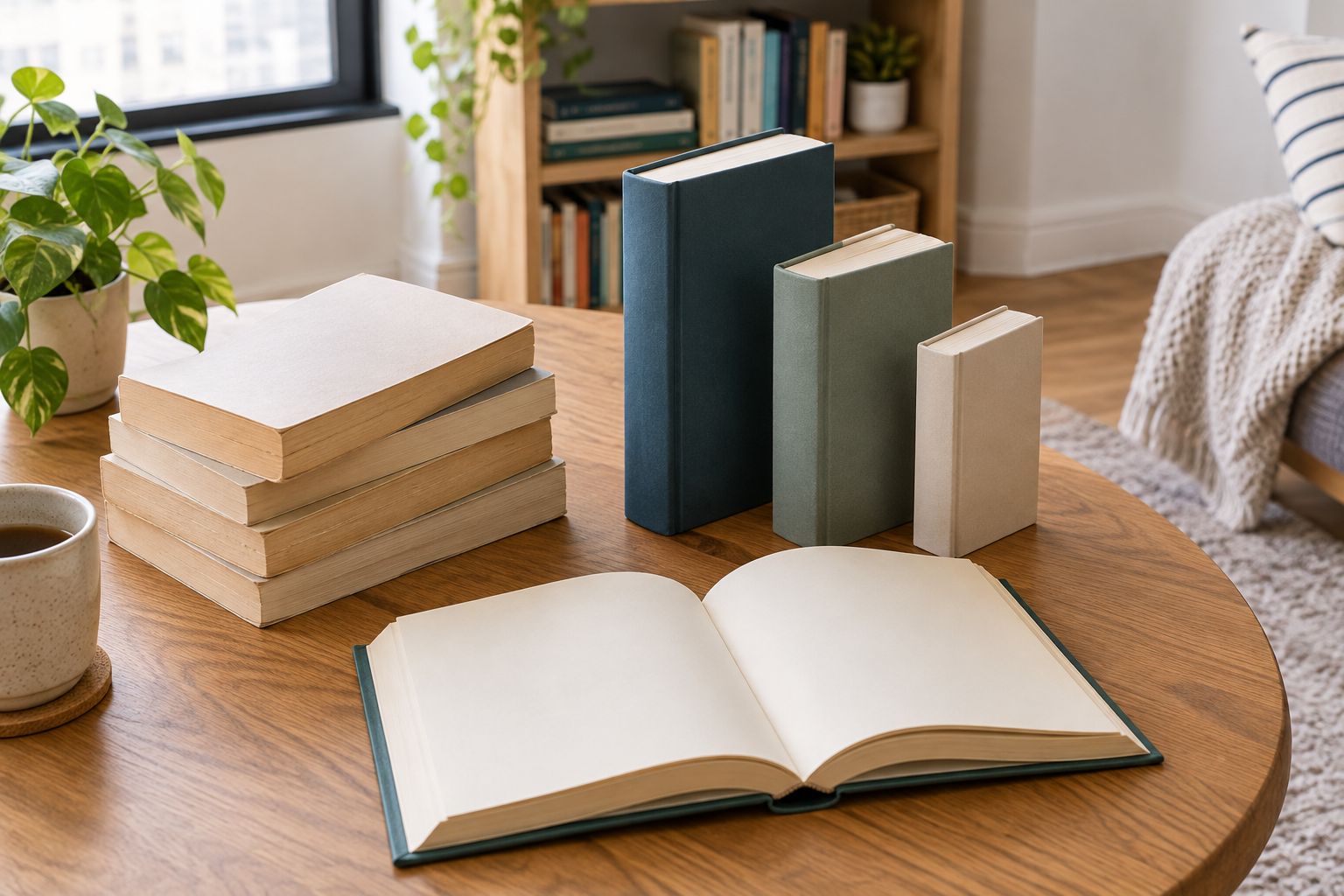
A physical comparison helps separate size from usability. Look at the cover height, spine thickness, and open pages as distinct features rather than judging everything from the front cover.
Check condition against how you will use the book
Decide which signs of previous use you accept before browsing. Cover wear and a creased spine are different concerns from missing pages or a binding that does not hold together.
A reading copy does not need to look untouched. It does need to meet your expectations for readable pages and handling. If you enjoy keeping favorites on display, appearance can carry more weight than it would for a book you intend to pass along.
Use the condition information attached to the specific copy. General statements about used books do not establish what you will receive, and a cover photograph cannot answer every question about the interior.
- Decide whether highlighting or inscriptions bother you.
- Inspect visible spine and cover wear.
- Read any notes about loose or damaged pages.
- Distinguish cosmetic wear from reading problems.
- Ask about an unclear condition detail before purchasing.
Set a purchase limit before browsing
Start with a written spending boundary and a space boundary. You do not need a shopping app or a complicated spreadsheet: a note listing the title, format, intended shelf location, and checkout total is enough.
Then compare the full order rather than judging each book separately. Review the applicable shipping terms and checkout details before placing the order. A book that meets your reading preferences still needs to fit your overall spending plan.
For a manageable 2026 reading queue, consider buying 2 books you intend to read next instead of accumulating a long unread stack. Adjust that limit to your reading habits; it is a practical starting point, not a claim about how quickly anyone reads.
- Set your spending limit before opening listings.
- Assign each shortlisted book a shelf location.
- Review the complete checkout total.
- Check current shipping and return terms.
- Remove purchases that exceed either boundary.
Build around standalones and selected favorites
If space is tight, decide whether you want to own a whole series before buying its opening volume. A series can be enjoyable without every installment becoming a permanent part of your home collection.
Standalones suit readers who want a complete story without committing shelf space to further volumes. Selected series titles suit readers who already know which books they want to reread. Neither approach requires you to choose unfamiliar stories purely for their shorter spines.
For romance series, check whether the books follow separate couples or depend on an ongoing storyline. Read the publisher’s description or other spoiler-free series information rather than guessing from similar cover designs.
- Check the reading order before buying a series volume.
- Decide whether the purchase is a keeper or a temporary read.
- Avoid duplicate copies unless each has a clear purpose.
- Keep an edition you enjoy using, not merely owning.
- Choose a standalone when you do not want a longer commitment.
Give every new book a place
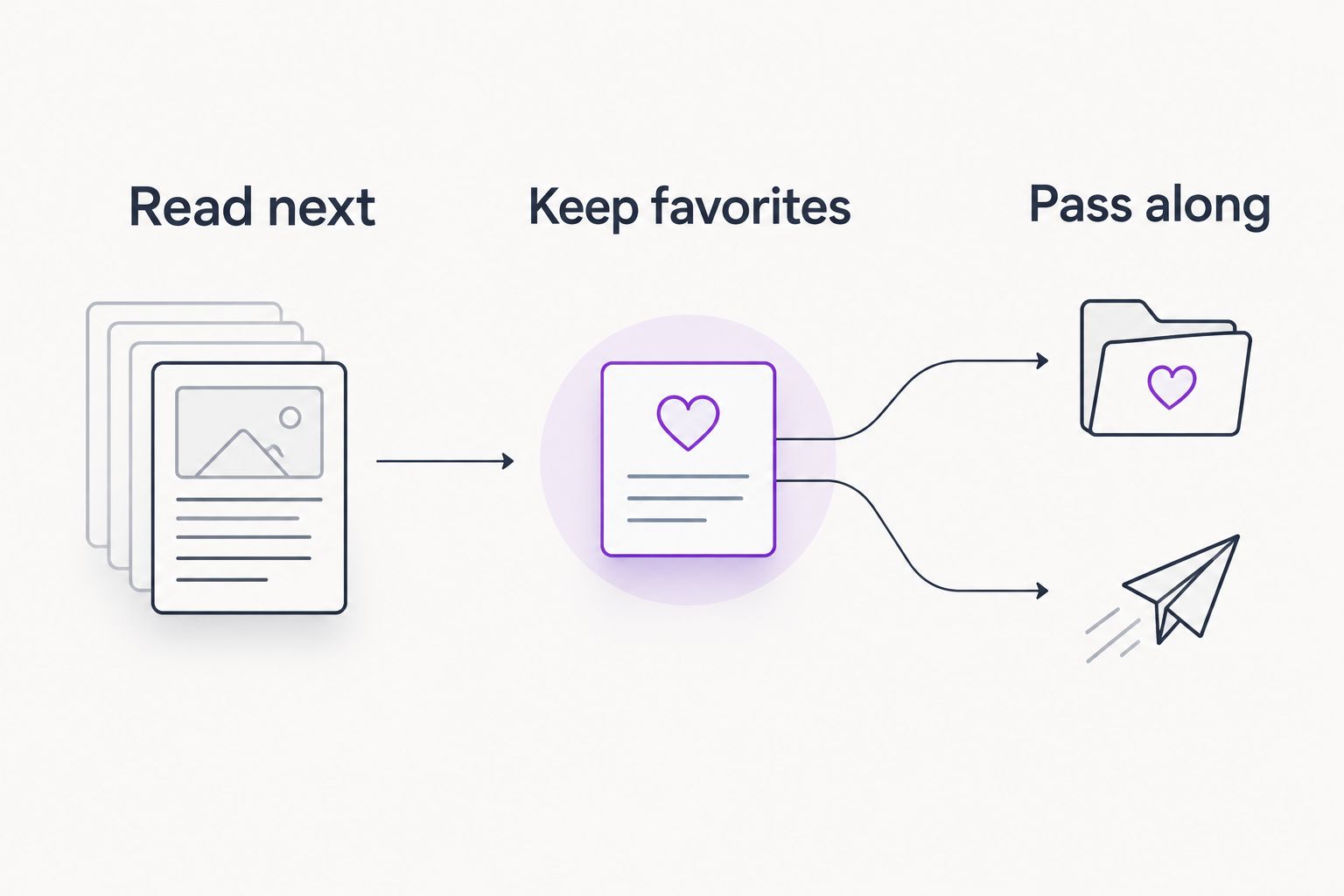
Before ordering, decide where the book will go and what happens after you finish it. A simple collection note can use three labels: Read next, Keep favorites, and Pass along.
For your 2026 collection, try a 1-book-in, 1-book-out rule once the designated shelf is full. Apply it to books you no longer want, not to favorites you would regret losing. The point is deliberate space management, not a constant clear-out.
Flippin Pages Bookstore adds new stock weekly, so browsing does not need to become a purchase every time. Keep a shortlist and choose a new book when both your reading queue and shelf have room.
- Put unread purchases in a visible reading queue.
- Keep books you genuinely expect to reread.
- Choose a destination for books you no longer want.
- Update your collection note after finishing a book.
- Recheck shelf space before the next order.
Separate your reading queue from your permanent collection. Finishing a book is the point at which you decide whether it deserves a lasting place, not proof that it must stay.
Compare options for a small physical collection
Choose by reading purpose first, then compare the copy’s footprint. These options describe ways to build your collection, not guarantees about a particular book’s size or condition.
| Option | Best for | Main benefit | Key limitation |
|---|---|---|---|
| Used mass-market paperback | Readers who prefer a smaller-format reading copy | A format to consider when height and width matter | Print size, thickness, and condition still need checking |
| Used trade paperback | Readers who want a paperback and a comfortable page layout | Lets you compare readability without choosing a hardcover | Dimensions vary; paperback does not automatically mean compact |
| Used hardcover | Readers keeping a particular edition or rereading favorite | Preserves the format you prefer for a lasting collection | Check its shelf footprint rather than assuming it fits |
| Standalone fiction or romance | Readers avoiding a commitment to multiple volumes | A complete story without a series collection plan | One volume can still be physically large |
| Selected series volumes | Readers who know their favorite installments | Keeps the collection focused on books they value | Reading order and story continuity need checking |
Do not choose a format from its name alone. Compare the available information for the actual copy, and reject any option that fails your readability, condition, or space requirements.
Browse used books for your next read
Look for fiction and romance, then check each copy against your shelf space and reading preferences.
Common mistakes small-space readers make
Buying for an imaginary future shelf
A book needs somewhere to go now. Do not count storage furniture you have not bought or space already occupied by other belongings; use your measured area as the purchase boundary.
Treating every paperback as a compact book
Binding type is not a measurement. Check the individual edition’s dimensions and thickness where that information is available, especially when fitting a narrow or shallow shelf.
Buying a whole series before trying the author
Owning the complete set commits both money and space before you know whether you enjoy the writing. Start with the appropriate opening book, then decide whether further volumes deserve a place.
Keeping every finished book automatically
A finished book and a rereading favorite are not the same thing. Make a deliberate keep-or-pass-along decision rather than letting your permanent collection grow by default.
Letting weekly browsing override your limits
Fresh finds are a reason to browse, not an obligation to order. Keep your wishlist separate from your cart, and buy only when a title meets your reading, spending, and storage requirements.
FAQ
What are the best affordable books for small spaces?
The best affordable books for small spaces are physical copies you want to read that fit your shelf, spending limit, and readability needs. Compare used fiction and romance by the individual copy’s format, dimensions, and condition rather than choosing on size alone.
Are paperbacks always better than hardcovers for a small room?
Paperbacks are not automatically better for a small room. Compare the actual copies: height, thickness, page layout, and your preference for keeping or rereading the book matter more than the binding label.
How do I start a small book collection in 2026?
Start a small book collection in 2026 by defining your available shelf space and choosing a short list of books you genuinely want to read. Check each copy’s format and condition, then assign it a place before ordering.
Where can I shop for physical used fiction and romance?
Flippin Pages Bookstore sells physical used books, including fiction and romance, with new stock added weekly. Review the information for the individual copy and the current checkout terms before purchasing.
Should I buy a complete romance series for a small shelf?
Buy a complete romance series only if you want every volume and have assigned space for the collection. Otherwise, begin with the appropriate first book and check whether later books depend on earlier storylines before choosing selected volumes.
How do I keep my book collection from getting too large?
Keep your book collection within a defined storage area and decide whether each finished book is a keeper. Once that area is full, pass along a book you no longer want before adding another.
What should I check before buying a used book online?
Check the title, edition, format, condition description, and dimensions where provided before buying a used book online. Review the full checkout total and current shipping and return terms, and ask about details that remain unclear.
One last thing
Measure a favorite book you already find comfortable to read. Use it as a personal reference for height, thickness, and page layout when assessing your next purchase. It connects shelf planning to a reading experience you know you enjoy, rather than making the smallest possible copy your default choice.