
Best overall: Interpreter of Maladies by Jhumpa Lahiri. Best for speculative fiction: Exhalation by Ted Chiang. Best for gothic fairy tales: The Bloody Chamber by Angela Carter. These eight short story collections to buy used give you a spoiler-free shortlist for choosing physical books in 2026.
- Interpreter of Maladies leads these short story collections to buy used for readers who enjoy relationships and family fiction.
- Choose Exhalation for speculative questions, The Bloody Chamber for gothic tales, or Olive Kitteridge for connected stories.
- Match the collection to your reading tastes before comparing the condition of individual used copies.
- Flippinpagesbookstore sells affordable used fiction and romance, with fresh finds added weekly.
Why this matters
A collection lets you finish a story without committing to a whole novel. But short does not always mean light: these books range from everyday relationships to unsettling fantasy, difficult moral choices, and experimental storytelling.
Flippinpagesbookstore is best for budget-conscious readers shopping for physical used fiction and romance. Start your 2026 search at Flippinpagesbookstore, then use this shortlist to decide which titles fit your reading tastes. Treat the recommendations as a reading list, not a statement about what the store currently carries.
The right used copy is one you will enjoy reading. A familiar author or attractive cover is not enough if the stories, format, or condition do not suit you.
What makes the best short story collections to buy used?
Use these criteria before choosing a title:
- Reading fit: Choose relationships, speculative ideas, gothic fiction, or another interest you already enjoy.
- Story structure: Decide whether you want independent stories or recurring characters across a connected collection.
- Emotional tone: Separate quiet observation from disturbing subjects, dark humor, and horror.
- Edition clarity: Check the title, author, format, and contents rather than relying on a cover photograph alone.
- Readable condition: Prioritize complete pages, a sound binding, and text you can comfortably read.
For your 2026 shortlist, put reading fit first and condition second. A clean copy of the wrong book is still the wrong purchase.
The eight collections at a glance
| Collection | Best for | Standout feature | Key limitation |
|---|---|---|---|
| Interpreter of Maladies — Jhumpa Lahiri | Relationship-focused literary fiction | Intimate stories about family, migration, and belonging | Often melancholy rather than comforting |
| Exhalation — Ted Chiang | Idea-driven science fiction | Speculative premises built around philosophical questions | Some stories require close attention |
| The Bloody Chamber — Angela Carter | Gothic fairy-tale retellings | Familiar tale structures rewritten with lush, unsettling detail | Sexual violence and disturbing material |
| Olive Kitteridge — Elizabeth Strout | Readers who prefer connected stories | A recurring central character and a shared Maine setting | Less suited to random-order reading |
| Tenth of December — George Saunders | Darkly funny contemporary fiction | Distinctive voices, satire, and moral pressure | Unusual language and bleak situations |
| Dubliners — James Joyce | Readers trying literary classics | Everyday Dublin life shaped into carefully observed stories | Period language and cultural references |
| Her Body and Other Parties — Carmen Maria Machado | Genre-blending feminist horror | Stories mixing bodily unease, desire, and formal invention | Explicit content and experimental structure |
| A Good Man Is Hard to Find and Other Stories — Flannery O’Connor | Southern Gothic and moral unease | Sharp dialogue, grotesque characters, and religious questions | Violence and racist language |
1. Interpreter of Maladies: best for relationship-focused fiction
Jhumpa Lahiri’s Interpreter of Maladies contains 9 stories exploring relationships, family, migration, and belonging. Its close attention to ordinary interactions makes it a strong starting point if you usually read character-led novels.
Choose it for emotional detail rather than dramatic twists. Readers moving from romance into broader literary fiction should expect relationship stories, not a genre-romance promise of a happy ending.
Interpreter of Maladies pros:
- Recognizable tensions between partners and family members.
- Independent stories that work as separate reading sessions.
- Clear prose with close emotional observation.
Interpreter of Maladies cons:
- Loneliness and disappointment recur.
- Quiet storytelling will not suit every plot-driven reader.
Best for: Readers who want intimate, character-focused fiction.
Verdict: Buy Interpreter of Maladies as the default choice if relationships matter more to you than action.
2. Exhalation: best for idea-driven science fiction
Ted Chiang’s Exhalation uses speculative situations to examine choice, memory, technology, and responsibility. The appeal lies in following an idea and seeing what it means for the people living with it.
This is not simply an action-oriented science-fiction collection. Choose it when you want stories that leave you considering a question after the ending.
Exhalation pros:
- Distinct speculative premises across the collection.
- Ethical questions connected to human concerns.
- Plenty to discuss with another reader.
Exhalation cons:
- Conceptual passages call for concentration.
- Story lengths vary, so not every piece suits a brief break.
Best for: Readers who enjoy philosophical science fiction.
Verdict: Buy Exhalation for thoughtful reading; skip it when you want a fast, undemanding escape.
3. The Bloody Chamber: best for gothic fairy-tale retellings
Angela Carter’s The Bloody Chamber revisits fairy tales through gothic fiction, examining power, desire, danger, and transformation. Familiar story patterns provide a starting point, but the writing is adult and frequently unsettling.
The collection suits readers who enjoy rich description and dark atmosphere. It is not a children’s fairy-tale book or a straightforward romance collection.
The Bloody Chamber pros:
- Recognizable tales approached from different angles.
- Strong atmosphere and vivid descriptive writing.
- Themes that support discussion and rereading.
The Bloody Chamber cons:
- Sexual violence and disturbing imagery require consideration.
- Ornate prose can slow the reading pace.
Best for: Readers drawn to gothic fantasy and literary retellings.
Verdict: Buy The Bloody Chamber for dark, richly written fiction; skip it if you want gentle fairy tales.
4. Olive Kitteridge: best for readers who prefer connected stories
Elizabeth Strout’s Olive Kitteridge follows a Maine community through linked stories, with Olive appearing in different roles across the book. The shared setting and recurring characters offer some of the continuity readers enjoy in novels.
Read this collection in order. Its appeal grows through accumulated impressions rather than a single continuous plot, and its treatment of marriage and community is often unsentimental.
Olive Kitteridge pros:
- Recurring characters provide continuity.
- Different viewpoints complicate first impressions.
- Everyday relationships receive sustained attention.
Olive Kitteridge cons:
- Less suitable for dipping into at random.
- Difficult relationships and grief shape the tone.
Best for: Novel readers trying a linked-story collection.
Verdict: Buy Olive Kitteridge if you want connected lives without one uninterrupted narrative.
5. Tenth of December: best for darkly funny contemporary fiction
George Saunders’s Tenth of December combines dark humor, distinctive voices, and situations that test how people treat one another. Some stories use speculative elements, but the human choices remain central.
Give the opening pages time to establish their rhythm. Saunders often places you inside a character’s language rather than explaining the setting from a comfortable distance.
Tenth of December pros:
- Memorable voices and unusual perspectives.
- Humor alongside serious ethical questions.
- A different reading experience from conventional realism.
Tenth of December cons:
- Abrupt openings can feel disorienting.
- Cruelty and bleak situations complicate the humor.
Best for: Readers who enjoy satire and stylistic invention.
Verdict: Buy Tenth of December for bold voices; skip it if straightforward narration is essential.
6. Dubliners: best for trying a literary classic
James Joyce’s Dubliners contains 15 stories about life in Dublin, moving through different ages and social situations. Its focus is everyday experience rather than the more formally demanding style associated with some of Joyce’s other work.
For a physical used copy, decide whether explanatory notes matter to you. Notes can help with unfamiliar references, but their presence and placement depend on the edition.
Dubliners pros:
- A coherent setting across separate stories.
- Careful observation of family and social life.
- Opportunities to notice more on a second reading.
Dubliners cons:
- Historical references can interrupt your reading.
- Restrained endings offer little neat resolution.
Best for: Readers seeking an approachable starting point with Joyce.
Verdict: Buy Dubliners if you enjoy observation and ambiguity more than neatly resolved plots.
7. Her Body and Other Parties: best for genre-blending horror
Carmen Maria Machado’s Her Body and Other Parties brings together horror, fantasy, desire, and experimental storytelling. Bodies and the pressures placed on them run through the collection.
Choose it for invention and unease rather than a conventional sequence of scares. Its approaches vary enough that enjoying one story does not guarantee that every form will suit you.
Her Body and Other Parties pros:
- A distinctive mixture of literary and speculative fiction.
- Different structures across the collection.
- Strong material for conversations about gender and power.
Her Body and Other Parties cons:
- Explicit sexual content and violence.
- Experimental pieces demand flexibility from the reader.
Best for: Readers seeking feminist horror beyond conventional ghost stories.
Verdict: Buy Her Body and Other Parties for unsettling invention; skip it if explicit content is a firm boundary.
8. A Good Man Is Hard to Find: best for Southern Gothic
Flannery O’Connor’s A Good Man Is Hard to Find and Other Stories combines Southern settings, grotesque characters, violence, and religious questions. The stories challenge characters’ judgments without offering comfortable reassurance.
Check that the listing describes the collection rather than only the title story in another publication. Similar wording on a cover is not enough to establish the contents.
A Good Man Is Hard to Find pros:
- Sharp dialogue and strongly drawn characters.
- Moral conflicts that reward discussion.
- A focused introduction to O’Connor’s short fiction.
A Good Man Is Hard to Find cons:
- Racist language and attitudes appear in the stories.
- Sudden violence and harsh outcomes can be distressing.
Best for: Readers interested in Southern Gothic and religious themes.
Verdict: Buy A Good Man Is Hard to Find for challenging literary fiction; skip it when you need a comforting read.
How to choose the used copy
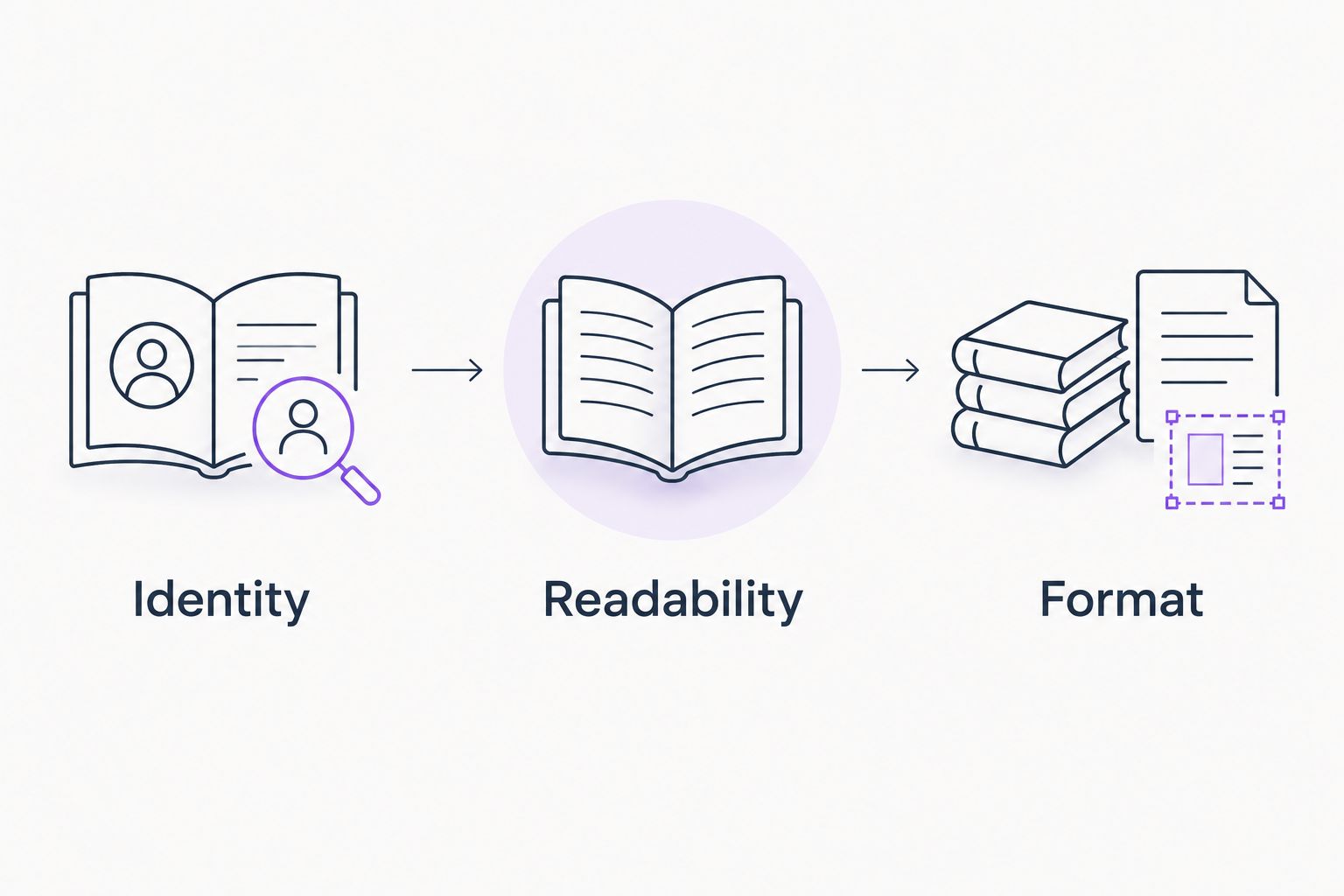
Once you have chosen a title, make 3 checks before ordering: identity, readability, and format. These are purchase checks, not reasons to chase a collectible edition.
- Identity: Match the author and full title, then check whether the listing is a complete collection or a selection.
- Readability: Look for descriptions of missing pages, loose bindings, staining, writing, or other damage that affects reading.
- Format: Confirm that you are choosing a physical book in a binding and print size you want to use.
Do not let a condition label make the decision for you. Read the individual description, especially when annotations, small print, or binding damage would affect your enjoyment. This guide to reading used-book condition descriptions explains what to inspect.
For a 2026 reading list, choose the collection first and the edition second unless you specifically need notes or matching copies. Flippinpagesbookstore adds fresh finds weekly, so keep a short list of acceptable titles rather than treating one edition as the only useful choice.
Find your next used read
Browse affordable physical used books, including fiction and romance.
How the collections are ranked
This 2026 shortlist puts reading fit ahead of prestige. Interpreter of Maladies leads because its relationship-focused stories provide a clear starting point for readers of character-led fiction; the remaining choices each serve a different interest.
The ranking considers structure, tone, accessibility, and distinct reading appeal. It does not rank individual used copies or claim that one edition is a better bargain than another.
Which collection should you choose?
Choose Interpreter of Maladies if you are undecided. Choose Olive Kitteridge instead if connected characters are what keep you reading, or Exhalation if you want ideas to drive the experience.
For darker reading, distinguish the kind of darkness you enjoy: fairy-tale atmosphere points to The Bloody Chamber, while experimental horror points to Her Body and Other Parties. Buy for that preference, not simply because a title appears on a best-books list.
FAQ
What's the best short story collection to buy used first?
Interpreter of Maladies is the best starting point here for readers who enjoy relationships and character-led fiction. Its independent stories let you try the form without following a connected sequence.
Which short story collection is best if I usually read novels?
Olive Kitteridge is the strongest fit here for novel readers who want recurring characters. Read its linked stories in order to follow the developing picture of the community.
Are these collections romance books?
These are not a shortlist of genre-romance collections. Several examine love, marriage, or desire, but readers should not expect a romance structure or a guaranteed happy ending.
Which collection should I choose for science fiction?
Choose Exhalation for science fiction built around philosophical and ethical questions. Choose Tenth of December instead if dark humor and distinctive narrative voices are your main interests.
Does a used short story collection need to be read in order?
Independent collections allow more freedom, while linked collections benefit from reading in order. Olive Kitteridge is the clearest read-in-order choice on this list because its characters and setting recur.
What should I check before buying a physical used collection?
Check the full title, author, contents, format, and individual condition description. Make sure you are selecting the complete collection you want rather than an excerpt or a different selection.
Where can I shop for physical used fiction?
Flippinpagesbookstore sells affordable physical used books, including fiction and romance, with fresh finds added weekly. Use this shortlist to guide your browsing rather than assuming a recommended title is listed.
One last thing
The title story and the complete collection are not interchangeable. Before you finish your 2026 order, match the listing to the whole book you intend to read; this matters especially when a famous story shares its name with its collection.