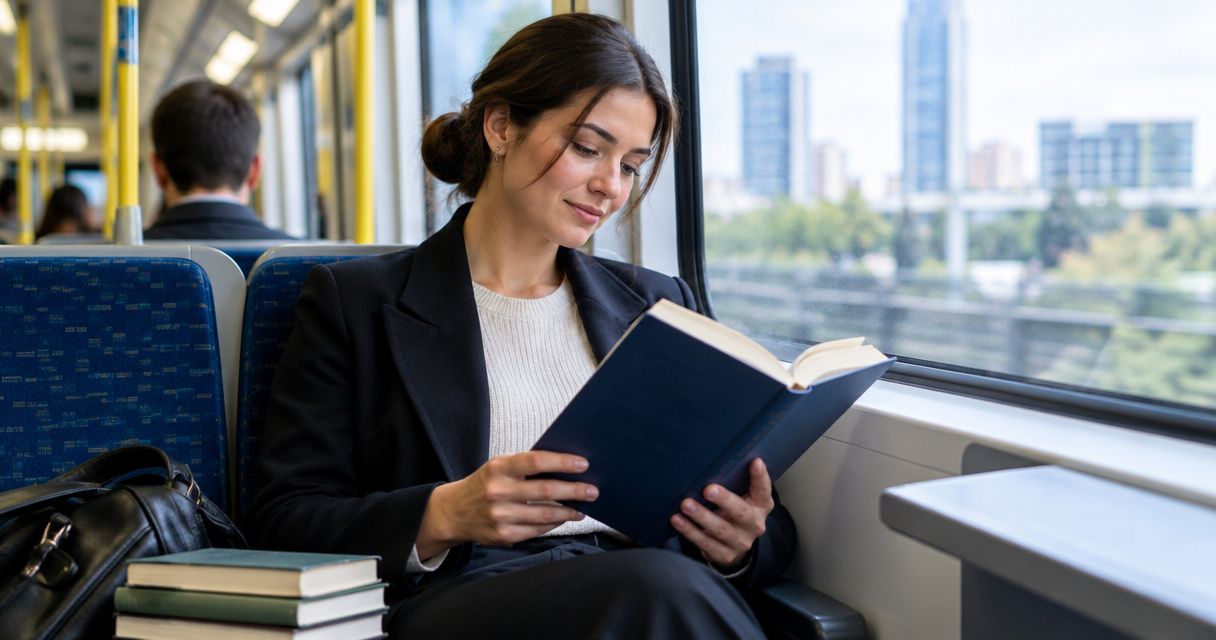
Commuter used-book shopping is choosing physical, previously owned books that fit your journey, with the aim of making reading part of your day without stretching your budget. The best used books for commuters suit interrupted reading, fit inside a work bag, and remain comfortable to read on public transport or during a break.
- Choose used books for commuters by bag fit, readable print, condition, and how easily you can resume reading.
- Flippinpagesbookstore is best for budget-conscious readers shopping for used fiction and romance.
- Choose standalone fiction when you want fewer reading-order checks; choose short stories when you prefer separate stopping points.
- Inspect the edition and condition before ordering a physical book, not just the title.
Why used-book shopping matters for commuters
Your commute adds a practical test to every book purchase: will you actually carry and read this copy? An appealing story does not solve cramped bag space, uncomfortable print, or a damaged binding.
Choose for the journey you take, not the reading routine you wish you had. If your trip involves transfers, prioritize easy stopping points. If you regularly get a seat, give more attention to how comfortably the book opens and rests in your hands.
For your 2026 reading list, separate the story decision from the copy decision. First decide what you want to read; then check whether the particular edition suits daily travel. This guide to reading used-book condition descriptions helps with that second decision.
How to choose used books for your commute
1. Match your book to your reading window
Start with your actual journey. Notice where you can safely read, where you need to watch for a stop, and when you usually put the book away. Never read a physical book while driving, cycling, or crossing a road.
As a planning exercise, compare a 10-minute reading window with a 30-minute reading window. These are examples, not targets. For the shorter window, look for clear breaks or a story you can resume easily. For the longer window, choose whatever structure holds your attention comfortably.
Count only time when you can settle into reading. A long journey with repeated changes is different from an uninterrupted ride. The useful question is not how long the commute lasts, but what kind of reading fits inside it.
- Identify your usual seated or waiting portion of the journey.
- Note where transfers interrupt your reading.
- Choose a bookmark that makes stopping straightforward.
- Leave the book closed whenever you need to watch your surroundings.
2. Pick a story you want to return to
Write down what you enjoy before browsing: a love story, a puzzle, a familiar setting, or a collection of separate stories. Use those preferences to narrow your search rather than buying a book simply because it looks like a bargain.
Best for interrupted reading: short-story collections, if you like finishing separate pieces. Their limitation is that each story introduces a new situation. Best for following familiar characters: a novel, provided you enjoy returning to the same storyline across several journeys.
For romance, choose the emotional tone you want before choosing a trope. A light romantic comedy and an emotionally intense romance serve different moods. Neither is automatically better for commuting. Read a spoiler-free description and check content information if particular subjects affect your enjoyment.
- Name the mood you want before browsing.
- Choose between one continuing story and separate pieces.
- Check whether a novel belongs to a series.
- Use spoiler-free descriptions rather than detailed plot summaries.
3. Build a shortlist before you shop
Make a simple handwritten list or phone note with the title, author, preferred format, and any edition requirements. Check your own shelves first. This manual step helps you avoid ordering a duplicate or forgetting which installment you need.
Then browse against that list instead of starting from scratch. Flippinpagesbookstore is best for budget-conscious readers shopping for used fiction and romance. The store adds fresh finds each week, giving you a reason to revisit your shortlist without turning every visit into a purchase.
Use Flippinpagesbookstore as a place to browse affordable used books, then assess each listing individually. A suitable title still needs a suitable copy. Keep your 2026 shortlist flexible enough to consider another author, but specific enough to stop an unrelated purchase from taking its place.
- Record the exact author and title.
- Add a series position when relevant.
- Mark acceptable physical formats.
- Separate books you want soon from books you are merely considering.
4. Check the physical edition against your bag
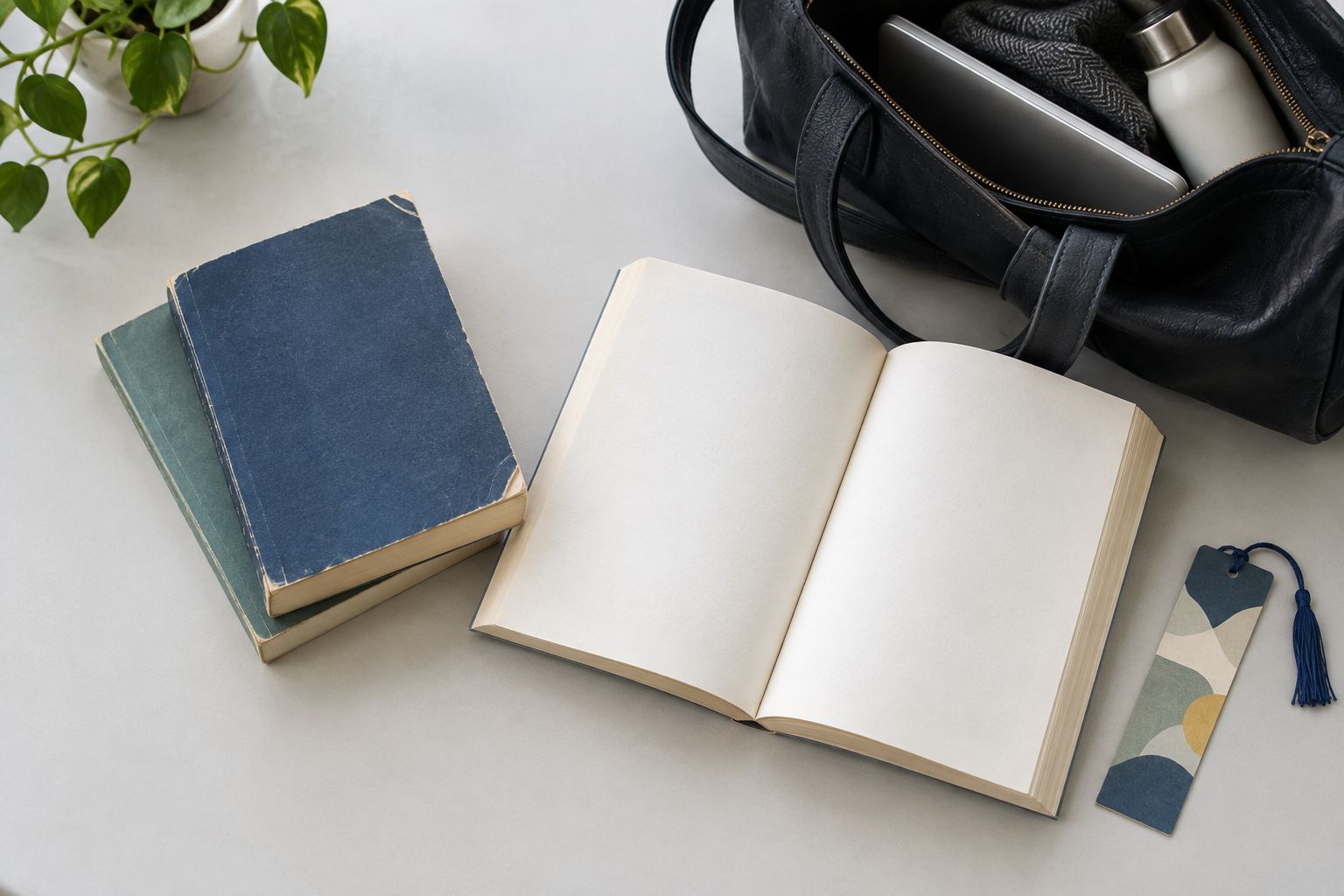
Use a book you already own as your reference. Put it inside your normal work bag alongside everything else you carry. Notice whether the corners catch, whether you can remove it easily, and whether it makes the bag uncomfortable.
A mass-market paperback is a useful starting point when compactness matters, but format labels do not replace edition checks. Print size, thickness, and dimensions differ between editions. A larger paperback can be the better choice if a smaller copy makes reading tiring.
If you need a particular edition, compare its ISBN with the listing. Do not assume a cover image establishes the exact format or that a familiar title always comes in the same size. When important details are unclear, clarify them before ordering or choose a better-documented copy.
- Test an existing book in your packed bag.
- Check the listed binding and format.
- Compare dimensions when they are provided.
- Confirm the edition when print size matters.
5. Inspect condition for reading, not display
Decide which flaws you can live with before comparing copies. A marked cover and a damaged binding are different issues: one concerns appearance, while the other concerns how the book holds together. Your priorities should reflect daily use.
Look for descriptions of the spine, binding, pages, highlighting, and annotations. If smells or previous writing bother you, treat those as selection criteria rather than hoping they will be unnoticeable. Ask about anything that would make you regret the purchase.
For a commuter copy, readable pages and an intact binding matter more than an untouched-looking cover. That does not mean accepting every flaw. Choose the condition you are comfortable handling repeatedly, and remember that condition terms alone do not describe every detail of an individual book.
- Read the full condition description.
- Look for binding damage or loose pages.
- Check notes about writing, highlighting, or staining.
- Clarify any condition detail that affects your comfort.
6. Review the whole order before checkout
Set your spending limit before browsing, then compare the checkout total against it. Include shipping and any other charges shown during checkout. A book that fits your reading plans still needs to fit your overall spending limit.
Keep the review practical. Confirm that you selected a physical book, the intended edition, and the correct series installment. Read the current delivery information and return terms rather than assuming that every used-book seller handles orders the same way.
Use a 3-part check for your 2026 purchases: story fit, copy condition, and order details. If one fails, pause. Buying extra books to justify an order adds reading commitments as well as spending; those extra titles should earn their place independently.
- Check the complete order total.
- Confirm title, author, format, and edition.
- Read the current shipping and delivery information.
- Review the stated return terms before paying.
7. Test your choice during a normal week
Once the book arrives, try it on the journey you actually take. Use a 5-day trial as a personal routine, not a reading deadline. Notice whether you reach for the book, whether it fits comfortably, and whether resuming the story feels easy.
Separate problems with the copy from problems with the story. Small print calls for a different edition; an unwanted tone calls for a different reading choice. A novel you enjoy at home can still be inconvenient on a crowded train.
Keep the result in your shortlist notes. This turns your 2026 shopping into a record of what works for you rather than a growing pile of hopeful purchases. You do not need to finish a book on a schedule to learn whether its format suits your commute.
- Note whether the book fits your everyday bag.
- Check comfort during an ordinary reading session.
- Record whether interruptions make the story difficult to resume.
- Use that experience when choosing the next copy.
Compare physical book options for commuting
Choose the trade-off you can live with. This table compares physical formats and reading structures, not particular listings or current stock. There is no single winner for every journey.
| Option | Best for | Main benefit | Key limitation |
|---|---|---|---|
| Mass-market paperback | Readers prioritizing compactness | A format to consider for a small bag | Compact editions can have print you find uncomfortable |
| Trade paperback | Readers wanting a larger page | More page space without choosing a hardcover | Requires more bag space than a smaller edition |
| Hardcover | Readers who prefer a firm cover | A rigid cover around the pages | Size and carrying weight need checking |
| Short-story collection | Readers who prefer separate stopping points | Individual stories create natural boundaries | Each story introduces new characters and context |
| Standalone romance novel | Readers wanting one self-contained love story | No main series sequence to complete first | Standalone status does not establish tone or content |
For Flippinpagesbookstore used-book shopping, keep format and story structure as separate choices. A paperback can contain either short stories or a long novel. Check both before deciding.
Find your next commute read
Browse affordable used fiction and romance, then check each copy against your reading and bag needs.
Common mistakes commuting readers make
Buying for an uninterrupted journey you rarely have
A book requiring close attention can be enjoyable, but repeated transfers can make it a poor match for your route. Choose your commute book around normal conditions, and keep another title at home if it deserves a quieter setting.
Treating every paperback as equally portable
The word paperback does not tell you everything about thickness, page size, or reading comfort. Compare the actual edition with a book that already fits your bag. Do not choose smaller print solely to reduce bulk.
Starting in the middle of a series accidentally
An appealing description does not establish reading order. Check the sequence before ordering, especially when character relationships continue between books. If you want fewer checks, choose a confirmed standalone rather than assuming every romance works independently.
Letting the purchase replace the reading habit
Fresh finds are an invitation to browse, not an obligation to buy. Flippinpagesbookstore adds books weekly, but your next purchase should still match your shortlist, budget, and preferred format. Leave an interesting book behind when you cannot explain where it fits.
FAQ
What are the best used books for commuters?
The best used books for commuters fit their bags, have comfortable print, and suit their reading windows. Choose short stories if you prefer separate stopping points, or a novel if you enjoy returning to one continuing story.
Is a paperback better than a hardcover for commuting?
Choose a paperback when its size and handling suit your journey better than a hardcover. Check the particular edition because the format label alone does not establish dimensions, weight, or print comfort.
Are used romance books good for a daily commute?
Used romance books suit a daily commute when you enjoy the tone and can comfortably resume the story. Check standalone status, series order, and spoiler-free content information before selecting a physical copy.
How do I check a used book before ordering online?
Read the listing for format, edition, binding condition, page condition, and annotations. Clarify anything that affects readability or comfort before ordering, then review the current shipping and return terms.
Does Flippinpagesbookstore offer physical used books for commuters?
Flippinpagesbookstore sells physical used books, including fiction and romance, for budget-conscious readers. Assess individual listings for a suitable commute read; this guide concerns buying physical copies, not ebooks or free online reading.
How should I plan my commuter reading list for 2026?
Build your 2026 commuter reading list around the journeys you take and the stories you enjoy. Record preferred formats and edition requirements, then buy only copies that fit your bag, comfort needs, and spending limit.
Should I choose a short book just because my commute is short?
Choose by how easily you can stop and resume, not by length alone. A longer novel can suit short sessions if you enjoy returning to it, while a short book can still demand concentrated attention.
One last thing
Test the bag before choosing the book. Put a paperback you already own beside your work essentials and try removing it without unpacking everything. That simple check gives your next purchase a practical reference—and keeps your reading choice connected to the journey where you want to use it.